


Hantavirus & Rodent Control Guide | AIC Ozone & Waste Solutions
RODENT RISK & AIR HYGIENE GUIDE
Discovering Rodent Traces?
The 2-Step Defense Guide Against Hantavirus & Pests
If you spot rodent activity in warehouses, commercial kitchens, or backrooms, immediate and correct action is critical. This guide outlines WHO-standard cleaning protocols and AIC’s ultimate dual-action strategy: eradicating the food source (Food Waste Digesters) and executing total spatial sanitization (Ozone).
■ WHO Guidelines: Understanding the Risk and Taking Calm, Effective Action
The mention of “Hantavirus" often triggers intense anxiety. However, according to public health organizations like the WHO and CDC, the most critical response is not panic, but strict adherence to science-based facility hygiene and bio-security protocols.
🔍 Objective Facts from Global Health Authorities
- Aerosolization is the Primary Threat: Hantavirus is not typically airborne in the traditional sense; infections primarily occur when fresh rodent urine, droppings, or nesting materials are stirred up, and the virus-laden dust is inhaled by humans.
- Human-to-Human Transmission is Rare: Unlike explosive respiratory viruses like influenza, typical Hantavirus strains (like Sin Nombre) do not spread from person to person. The hazard is entirely environmental.
*Note: While rare, certain South American strains (e.g., Andes virus) have shown limited human-to-human transmission through close contact. However, the global consensus remains that environmental rodent control is the primary preventative measure.
In short, while panic is unnecessary, ignoring rodent traces poses a severe liability to facility safety and compliance. Even if local rodents do not carry Hantavirus, they are notorious vectors for Leptospirosis, Salmonella, Hepatitis E, and mites. Furthermore, accumulated feces and urine cause profound structural damage and intolerable odors that can ruin a business’s reputation.
Public health guidelines mandate two primary defenses: Preventing rodent intrusion (eliminating food sources) and Safe Wet Cleaning (preventing aerosolized dust). AIC builds upon these principles, offering an advanced “Two-Tiered Strategy" that fortifies daily wipe-downs with automated spatial sanitization during unoccupied hours.
■ Beyond “Just a Mouse": Proper Protocol for Rodent Traces

You don’t need to see a live rodent to have an infestation. Droppings, urine stains, gnaw marks, nesting materials, and unexplained foul odors are all red flags. Treating these traces like “normal dust" is incredibly dangerous. Sweeping dry droppings with a broom or using a standard vacuum cleaner will launch microscopic pathogens and allergens directly into the breathable air.
In areas with suspected contamination, Safe Wet Cleaning (soaking the area with disinfectants like bleach or alcohol before wiping) is an absolute requirement, followed by professional pest exclusion. Once the immediate hazard is cleared, AIC’s environmental equipment provides the permanent, root-cause solution to prevent future attraction and continuously neutralize lingering bio-hazards.
CHECK POINT
3 Critical Zones Facility Managers Must Inspect
The most effective pest control is identifying and eliminating inviting environments before an infestation takes hold.
Building Gaps & Entry Points
Check under rolling shutters, around plumbing penetrations, vents, wall seams, and drainage areas for vulnerabilities.
Food & Waste Zones
Unprocessed food scraps, overflowing dumpsters, and organic waste act as high-powered magnets for rodents and insects.
Rarely Accessed Areas
Deep corners of warehouses, behind heavy shelving, and in dropped ceilings are prime real estate for nesting and droppings.
■ The Ultimate Pest Control: Eradicate the Food Source
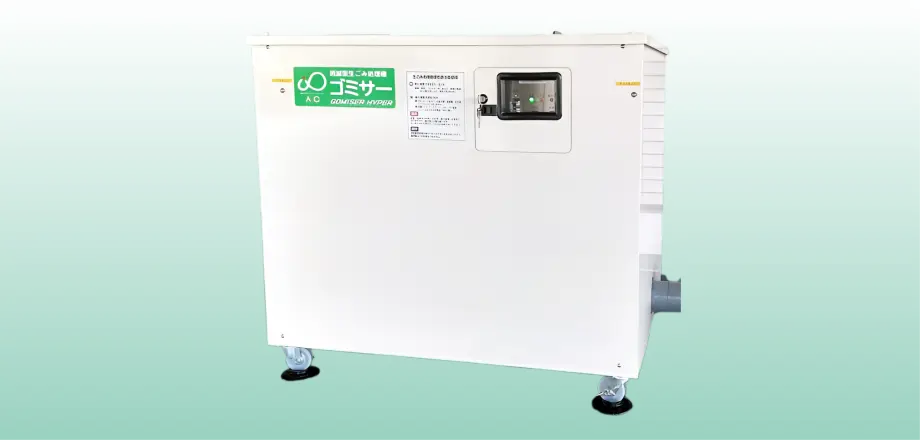
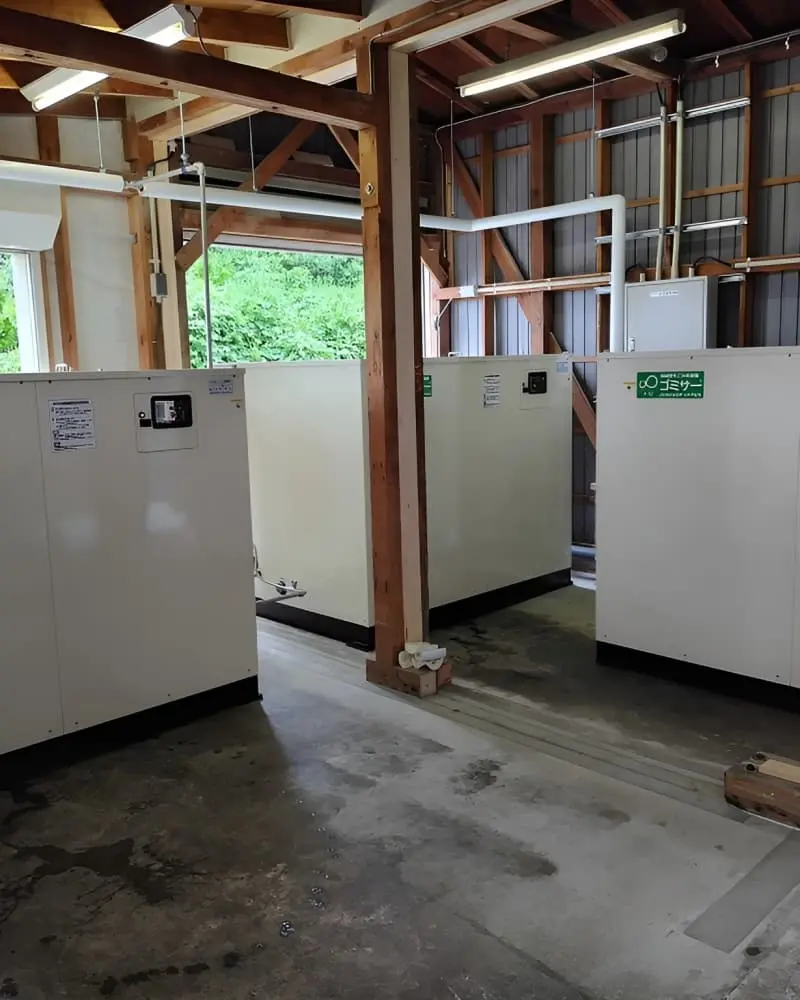
The single most reliable method to prevent rodent and pest intrusion is simple: do not allow their food source to accumulate inside your facility. In restaurants, food factories, and hotels, overflowing garbage bins and organic waste in the backroom act as a dinner bell for pests.
AIC offers the ultimate root-cause solution: The Commercial Food Waste Digester “GOMISER®". By biologically decomposing organic waste into water and carbon dioxide on-site, it literally “eliminates" the garbage. No food waste means no attractant, securing a fundamentally pest-free foundation for your business.
■ The Dual-Action Strategy: Eradicate the Source, Sanitize the Space
Eliminating the food source (via food waste digesters) is the most critical step in physical pest defense. However, that alone cannot neutralize the invisible bio-hazards—such as deep-seated animal odors, lingering pathogens, and airborne allergens—that pests leave behind.
GOMISER® Digesters
Biologically decomposes food waste on-site, entirely removing the primary attractant for rodents and pests.
Ozone Technology
Floods the space with oxidative ozone gas, destroying unreachable pathogens and neutralizing severe animal odors at the molecular level.
This Two-Tiered Strategy (Source Eradication + Spatial Sanitization) is the ultimate compliance and risk management solution for modern facilities. But how exactly does ozone neutralize viral threats so effectively?
■ Shattering the Viral “Armor": The Oxidative Power of Ozone
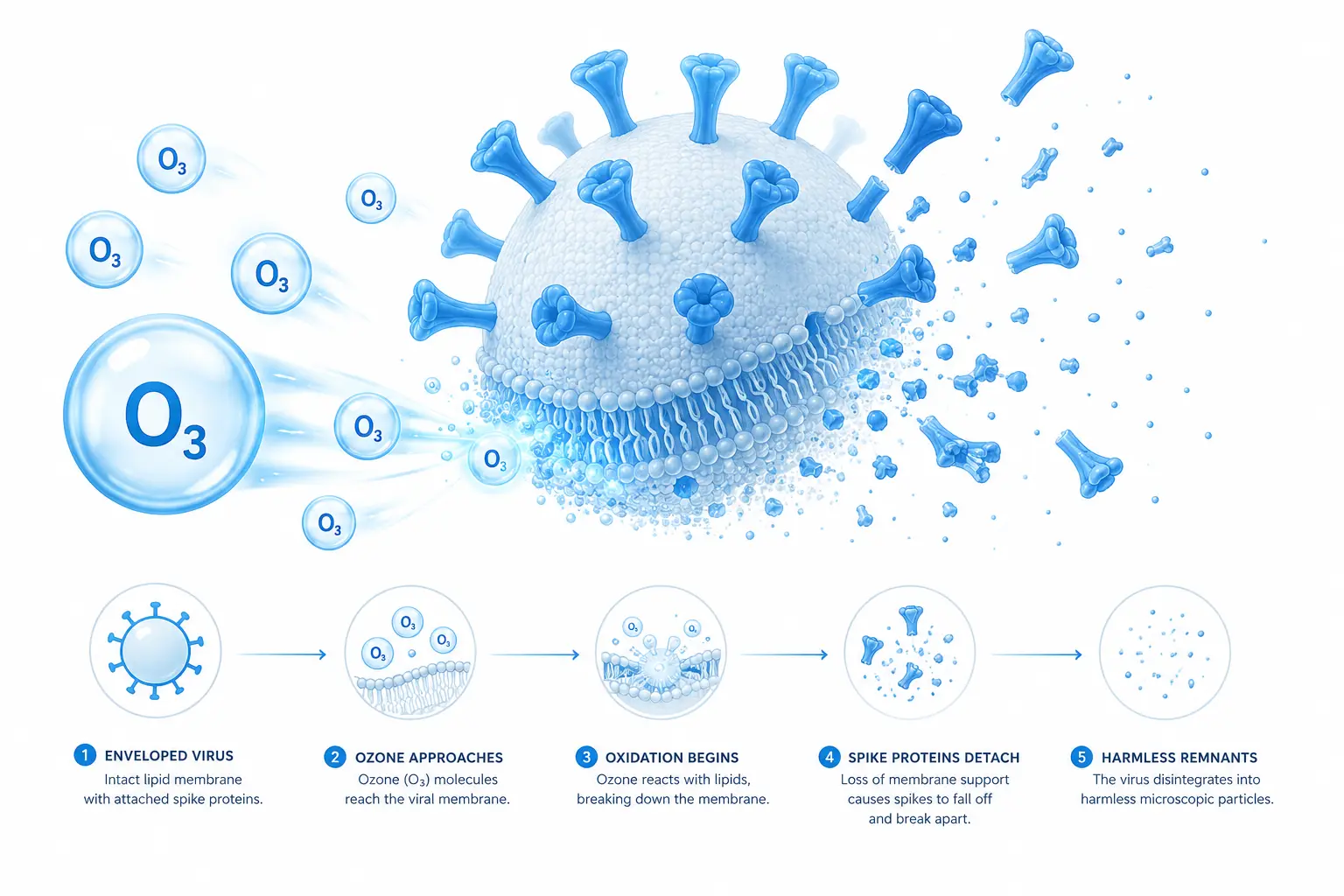
Many dangerous pathogens, including Coronaviruses, Influenza, and Hantaviruses, are classified as “enveloped viruses." This means they are protected by an outer lipid (fatty) membrane layer.
A Physical Approach That Disables Infectivity
This outer lipid envelope acts as the anchor for the virus’s surface spike proteins—the “keys" it uses to invade cells. If this outer structure is destroyed, the virus instantly loses its ability to infect.
Ozone’s profound oxidative power directly attacks and physically breaks down these lipids and proteins. Because this is a physical destruction rather than a chemical reaction, viruses cannot develop resistance to it. Furthermore, because ozone is a gas, it acts as an automated “invisible workforce," reaching every crevice of a warehouse or backroom that manual cleaning crews simply cannot access.
■ Understanding Ozone: Capabilities and Limitations
As detailed in our Ozone Fundamentals Guide, ozone is a highly effective supplementary tool for spatial and surface hygiene. However, it is not a magic wand that replaces basic physical sanitation or pest exclusion.
What Ozone CAN Do
During unoccupied hours, it autonomously floods the entire space, breaking down deep-seated animal odors and neutralizing airborne and surface-level pathogens.
It dramatically elevates the baseline hygiene of warehouses, food storage areas, and kitchens without increasing manual labor costs.
What Ozone CANNOT Replace
Ozone cannot substitute the mandatory “Wet Cleaning" process required for safely removing visible rodent droppings and preventing dust aerosolization.
It is a finishing step and a daily maintenance tool. If you have a massive accumulation of feces or an active, severe infestation, professional physical removal is required first.
■ Facility Risk Assessment: Where Should You Focus?
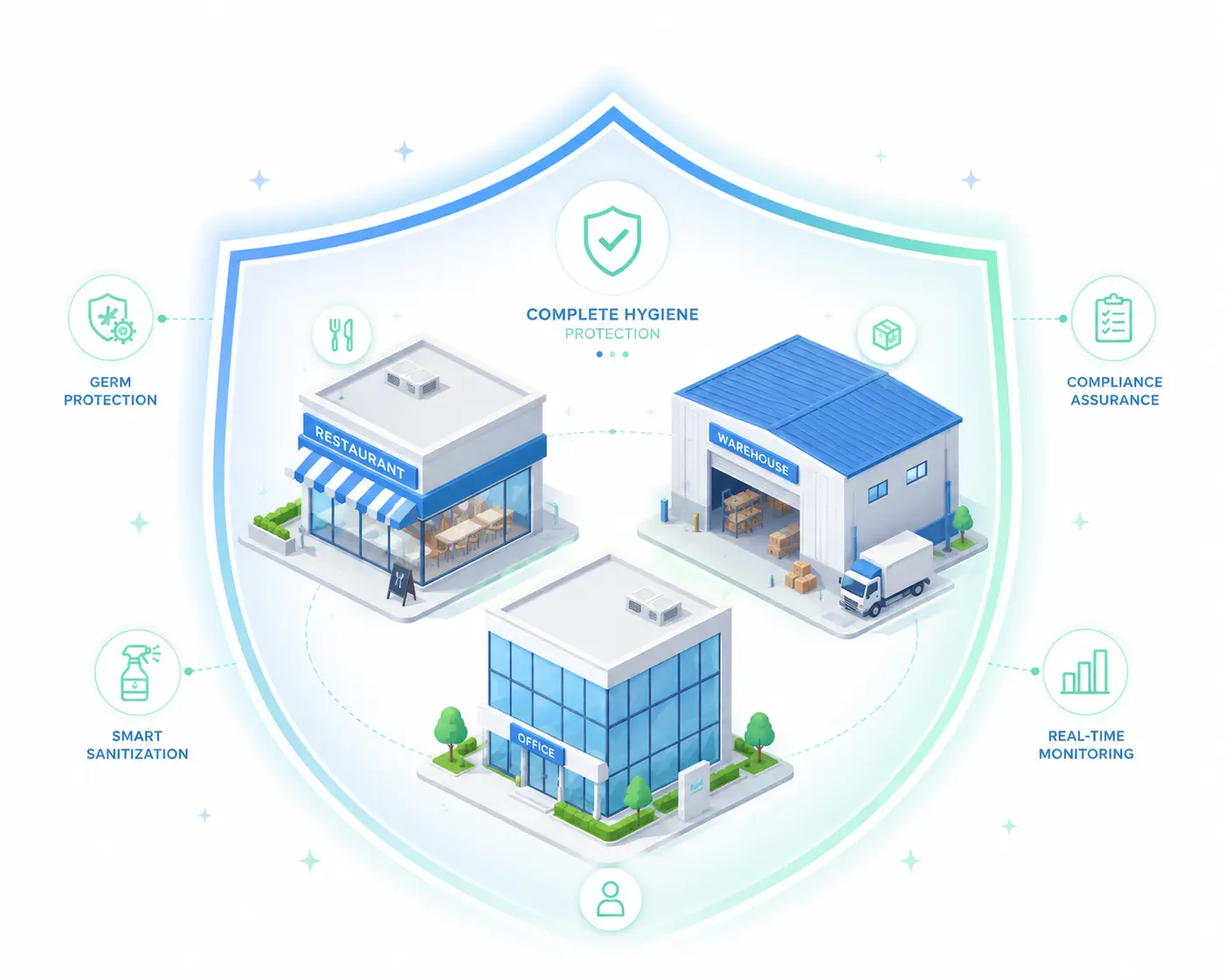
Not all facilities face the same risks. The key to effective operational upgrades is identifying your facility’s specific vulnerabilities and applying the right automated solution.
🍽️ Commercial Kitchens & Restaurants
Food scraps are the #1 attractant. Implementing a food waste digester (GOMISER) combined with after-hours ozone deodorization is the definitive solution.
🏭 Warehouses & Food Storage
Exclusion (sealing gaps) is vital. Because these areas are often unoccupied at night, automated high-concentration ozone gas treatments are highly effective and easy to implement.
🏢 Office Breakrooms
Overflowing trash bins and snack remnants invite pests. Improving daily disposal habits and using hybrid air purifiers can prevent localized odor buildup.
🏚️ Unused Rooms & Deep Storage
These are prime nesting spots. Always ventilate thoroughly and mandate “wet cleaning" protocols before staff begin organizing or clearing these areas.
■ Purpose-Built Ozone Solutions by AIC
Choosing the right equipment depends on whether you need occupied air purification, after-hours spatial resets, or direct surface washing.
BT-180H Hybrid Purifier
Ideal for facilities needing safe air purification during the day and automated ozone resets at night. Perfect for offices, clinics, and care facilities.
Ozone Gas Generators
Designed for deep spatial decontamination during unoccupied hours. Highly recommended for warehouses, garbage storage rooms, and industrial backrooms.
AIC Water Ozonizer
Infuses ozone into tap water. Enables staff to sanitize cutting boards, kitchen floors, and equipment safely with zero chemical residue, integrating seamlessly into daily wash routines.
Further Reading & Expert Guides
When considering ozone equipment, it is crucial to understand not just the efficacy, but also the safety standards, operational parameters, and risk management protocols.
Ozone Generator Safety & Risk Management
An expert breakdown of ozone efficacy, concentration limits, and safe operational protocols for commercial use.
The Fundamentals of Ozone Sanitization
Learn the core science behind how ozone molecules oxidize and destroy bacteria, viruses, and severe odors.
The AIC Philosophy: Security Through Intelligent Combination

Ignoring rodent intrusion is a critical failure in facility compliance. The absolute foundation of bio-security relies on physical exclusion (eliminating the food source with waste digesters) and strict adherence to wet-cleaning protocols.
However, manual efforts have limits. By intelligently combining these foundational practices with automated ozone sanitization, facilities can drastically elevate their hygiene standards, mitigate invisible risks, and ensure a safer environment without inflating labor costs. AIC specializes in assessing your specific operational challenges and designing the ultimate, root-cause resolution strategy.
Frequently Asked Questions (FAQ)
Facility Risk & Operational Upgrade Checklist
□ We store food, raw materials, or accumulate large amounts of organic waste.
□ We have unused rooms or deep storage areas that are rarely cleaned.
□ We are struggling to manage and dispose of food waste efficiently.
□ We want to automate spatial sanitization and odor control during unoccupied hours.
□ We need professional consultation on compliance and hygiene equipment.
If you checked any of the boxes above, it is time to re-evaluate your comprehensive hygiene strategy, including pest exclusion, waste management, and automated ozone deployment.
Scientific Evidence & References
This article is carefully compiled based on public health guidelines for Hantavirus, research on viral stability, and peer-reviewed literature regarding ozone inactivation, outlining the strategic role of food waste digesters and ozone equipment in modern facility management.
- WHO: Hantavirus Fact Sheet
- National Park Service: Hantavirus Fact Sheet and Cleaning Guidance
- Iowa State University: Hantavirus Biosafety Information
- bioRxiv: Hantavirus stability and inactivation
- Science of the Total Environment: Ozone based inactivation and disinfection
- Gases: Safe and Effective Use of Ozone as Air and Surface Disinfectant
Ready to Automate Your Pest Defense and Facility Hygiene?
Both food waste digesters and ozone systems require proper sizing and operational protocols to be effective.
AIC’s specialists will propose the ultimate, root-cause resolution strategy tailored to your facility’s exact conditions.