

[Case Study] Food Factory: Automated GOMI SUPPORTER System | AIC
CASE STUDY: FOOD FACTORY (HIGH-VOLUME PROCESSING & COST REDUCTION)
A Countermeasure Against Soaring Food Waste Collection Costs.
Drastically Reducing Labor Burden and Industrial Waste Costs by Linking with a Crushing & Pumping System
Installed Model: Commercial Food Waste Disposer (For High-Volume Processing) GOMI SUPPORTER GSP-1000
A drastic reduction in labor and industrial waste costs enables ROI in just a few years.
■ Challenges Before Installation: Continuously Soaring Collection Costs and Heavy Labor for Transportation
A certain food factory generates massive amounts of food residue (food waste) every day. In recent years, the cost of collecting food waste has continued to soar, putting pressure on the entire factory’s profits. Moreover, the “burden on the working staff" was a serious issue, not just the cost. Before installation, it was necessary to collect the food waste generated in the factory into containers, and forklift operators had to transport them multiple times to a distant collection area, consuming a lot of time and labor costs.
⚠️ Issues Considered at the Time
- Soaring Collection Costs: Outsourced industrial waste costs were increasing year by year.
- Heavy Labor & Inefficiency: Transporting containers by forklift was a heavy burden on the staff.
- Handling Massive Volumes: They needed equipment capable of stably processing the massive amounts of residue unique to food factories.
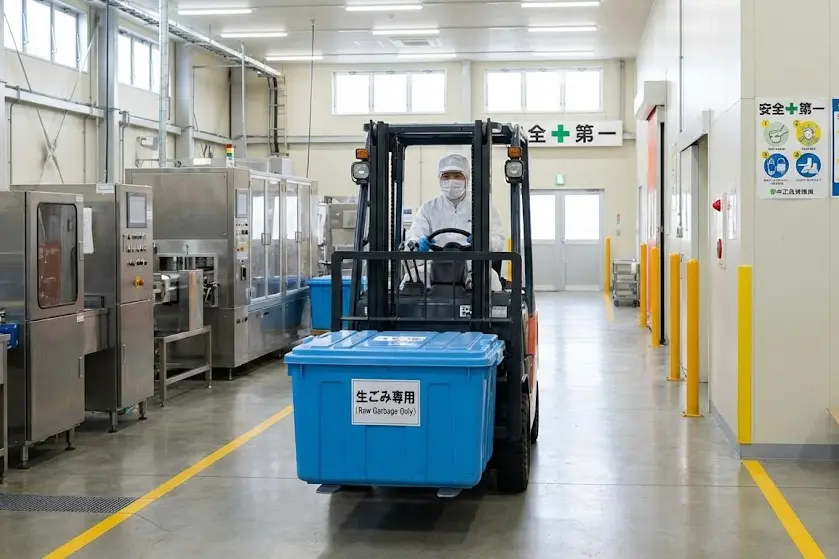
Site Characteristics:
A food factory that generates massive amounts of residue. Previously, many man-hours were spent on transportation work using forklifts.
*The image is for illustrative purposes only.
■ The Decisive Factor: A Track Record of Large-Scale Processing, Few Troubles, and Low Running Costs
They selected the large-scale disposer “GOMI SUPPORTER" as the equipment to process massive amounts of food waste. The deciding factor was its abundant operating track record in business types that produce massive amounts of food residue, such as food factories and school lunch centers. Being able to hear real feedback that “there are no breakdowns or troubles" during a tour of an actual operating site provided a great sense of security. Furthermore, the fact that post-installation maintenance costs are almost non-existent and running costs like electricity are extremely low compared to other methods strongly pushed the decision for a company aiming for cost reduction.
■ Effects After Installation: Just Throw It in the Sink on Site. Fully Automated, Reducing Labor Costs
In this installation, a “sink with a crusher" was set up inside the factory workspace, and a linked system was built to automatically pump the waste to the “GOMI SUPPORTER" located far away. When vegetable scraps like cabbage are thrown into the sink, the crushed food waste passes through a “solid-liquid separator" and is automatically pumped to the outdoor processing tank (GOMI SUPPORTER) 100 meters away. This completely eliminated the previously burdensome task of transporting waste by forklift. As a result, not only did the soaring outsourced “industrial waste costs" drop significantly, but they also achieved “labor cost reduction" by easing the staff’s workload. These reduction effects have yielded the wonderful result that “the cost required to install the food waste processing equipment can be paid off (recovered) in a few years."
- ✅ Drastic Work Reduction: Just throw it in the indoor sink. Automatically transported to the disposer 100m away.
- ✅ Plummeting Waste Costs: Substantially cut outsourcing fees to collection contractors.
- ✅ Reliable ROI: Low running costs allow the installation cost to be paid off in a few years.
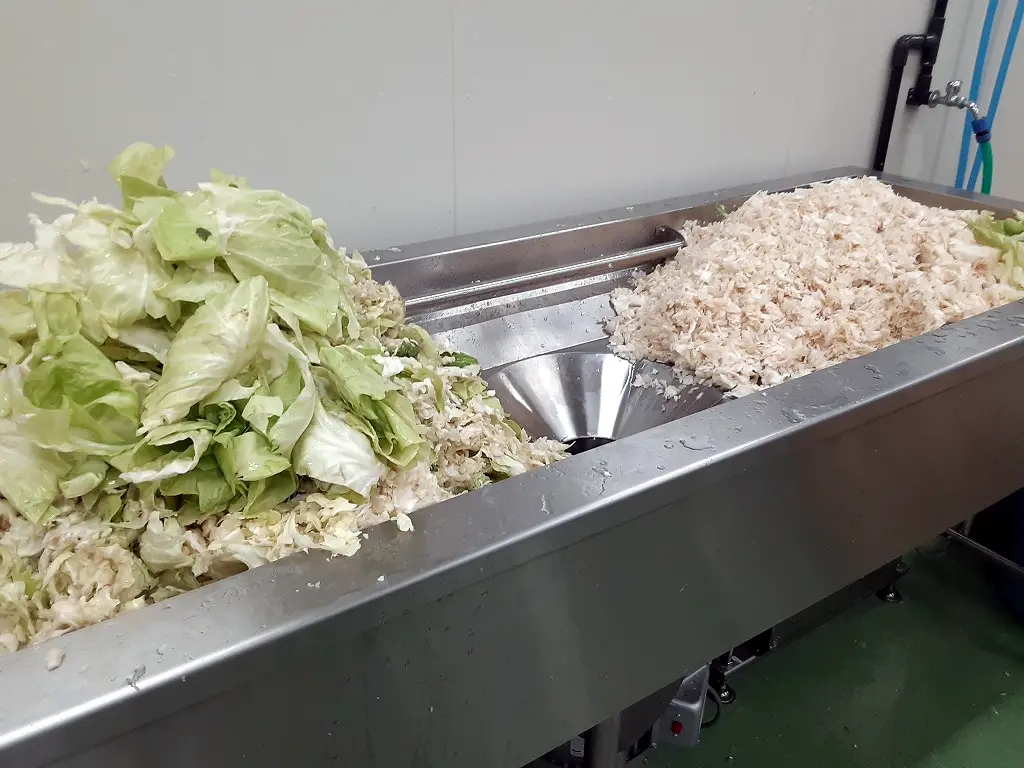
[Inside the Workspace] Sink with a Crusher:
By simply throwing vegetable scraps and residue in here, it is automatically transported via a solid-liquid separator to the outdoor processing tank 100m away.
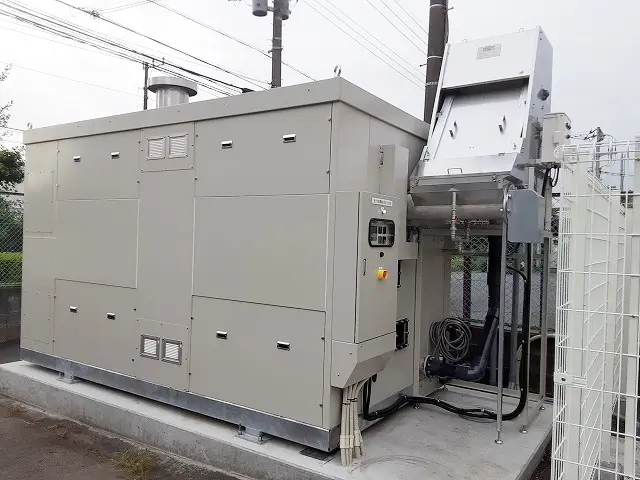
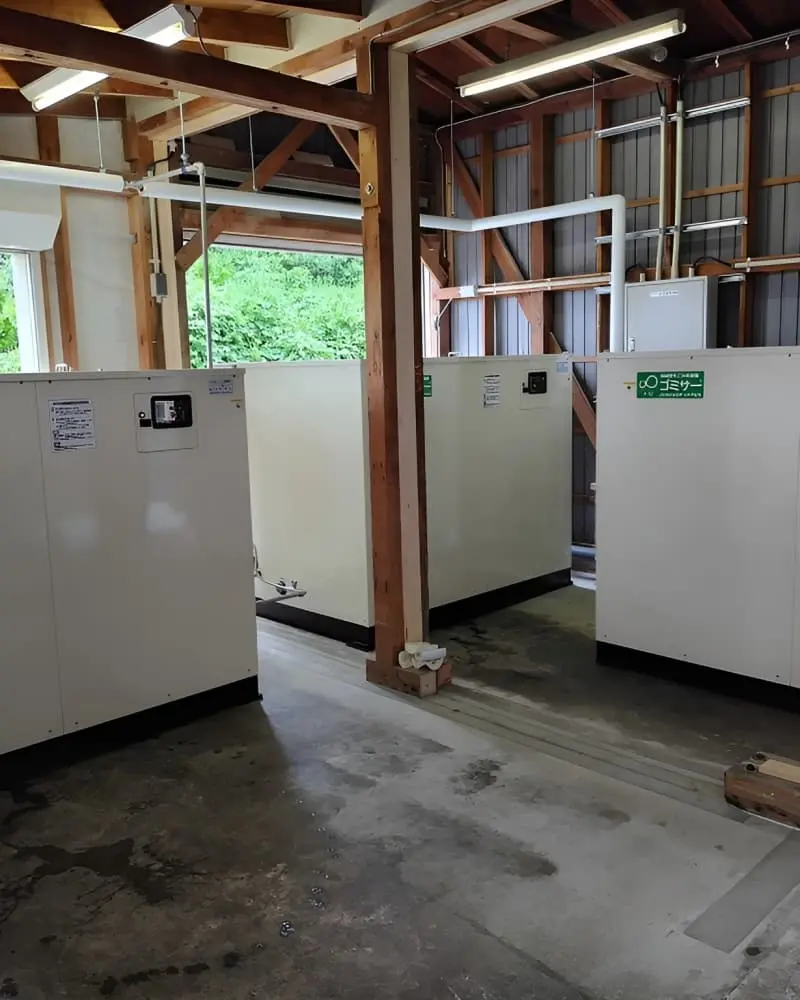
[Installed Model: GOMI SUPPORTER GSP-1000]
A large model boasting processing of over 1 ton per day. Outdoor installation enables high-volume processing without encroaching on the workspace inside the factory.
[Diagram] Mechanism of the Automatic Food Waste Transportation & Processing System
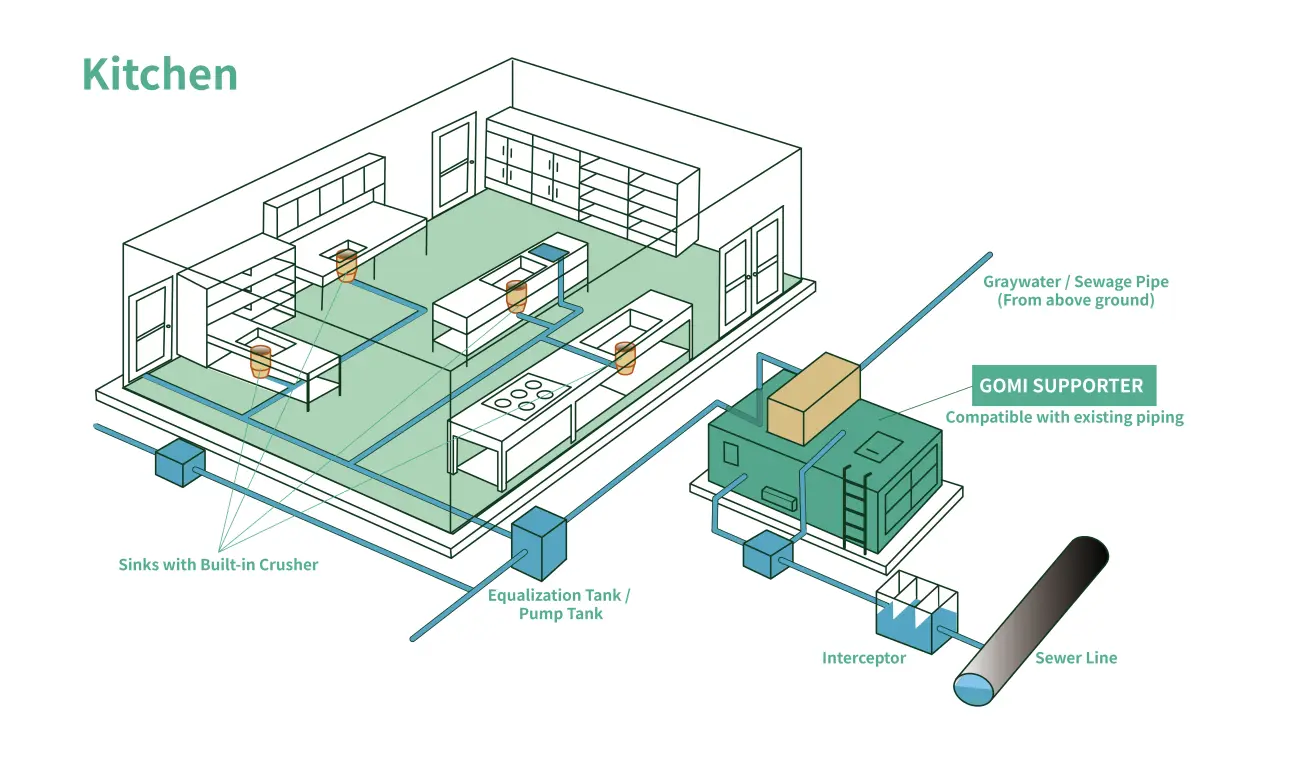
Key Point:
Waste is automatically sent through pipes from sinks with crushers installed at multiple locations in the workspace to the outdoor disposer (GOMI SUPPORTER). This is an innovative system that completely eliminates the physical movement of people carrying garbage, dramatically improving the hygienic environment within the factory.
[Demonstration Video] The Overwhelming Processing Power of GOMI SUPPORTER

*This video is a common demonstration video for both GOMISER and GOMI SUPPORTER. You can verify how food waste is decomposed and annihilated.
■ AIC Comments
The Mechanism of Industrial Waste Cost Reduction
By installing a commercial food waste disposer, industrial waste costs are reduced mainly due to the following factors:
- Reduction in Waste Transportation and Disposal Costs: By reducing and annihilating food waste, the volume of waste decreases significantly, thereby reducing the number of collection trips and the associated processing costs.
- Reduction in Hygiene Management Costs: Expenses for countermeasures against bad odors and pests caused by storing food waste, as well as labor costs for cleaning, are reduced.
Case Studies on Cost Reduction
While the specific reduction amount varies depending on the company’s situation, the following examples should help illustrate the reduction effects.
- Food-Related Businesses: The cost of processing food waste is a major burden for businesses, but a significant cost reduction is possible by installing a food waste disposer. In particular, food processing plants are solving the issue of disposal costs by completing food waste processing entirely within the factory.
- Welfare Facilities: They install disposers to process cooking scraps and leftovers from meals served to residents and staff.
- Various Industries like Restaurants and Hotels: By processing food waste “on the spot" in various industries such as restaurants, food factories, catering facilities, hospitals, and nursing homes, they reduce the hassle and cost of storage and transportation while suppressing bad odors and pests.
In sites that generate massive amounts of food residue, like this food factory case study, the key is not only a simple “reduction in disposal costs" but also a reduction in the “hidden labor costs (forklift operations, etc.) involved in transporting waste to the garbage dump." By linking the “food waste crusher/pump" installed on-site with the large-scale disposer “GOMI SUPPORTER," food waste processing within the factory was automated and completed, realizing dramatic operational efficiency and cost down. This is a case where the strengths of GOMI SUPPORTER, specialized in high-volume processing and low running costs, were fully utilized.
Customer Voices & Q&A
Commercial Food Waste Disposer “GOMI SUPPORTER" GSP-1000
A large-scale centralized processing system that speedily annihilates over 1 ton of food residue daily. By integrating with a sink-based “crushing and pumping system," it entirely eliminates the heavy labor of transporting garbage outdoors, simultaneously achieving massive industrial waste cost reductions and operational efficiency within the factory.
Free Consultation for Food Factories & Manufacturers
Professional Support to Improve Factory Environments
& Drastically Reduce Total Costs
Our experienced specialist staff will answer your questions for free, such as “How much cheaper will it be compared to our current waste collection fees?" or “Is piping possible for an automated transport system?"
We also offer processing tests using actual residue and online site hearings.
Simulate the Installation Effects for Your Company for Free
Find out your "cost reduction" and "CO2 reduction" instantly based on your current data.