


[Case Study] Tokyo Clinic Adopts BT-180H Ozone Generator | AIC
CASE STUDY: CLINIC
Tokyo Medical Clinic: Frontline Viral Infection Control
Driven by Medical Evidence
Installed Model: Tamura TECO BT-180H
As the threat of novel coronaviruses continues, medical institutions visited by many patients require higher quality hygiene management than ever before. This case study introduces why a medical clinic in Tokyo selected the “BT-180H" from among numerous sterilizers on the market, highlighting the background and the decisive factors behind their choice.
■ The Catalyst: Research Published by Fujita Health University
While the clinic director was closely monitoring news related to ozone technology, what caught his attention was a research presentation by Fujita Health University in Japan.
[Details of the Evidence]
On September 23, 2020, research announced by Fujita Health University (Professor Takayuki Murata) scientifically proved a 99.9% decontamination effect in novel coronavirus inactivation experiments using low-concentration ozone gas.
The “trust" and “track record" of the equipment actually being used at the Fujita Health University hospital site became the final deciding factor for its introduction.
→ Why can ozone destroy viruses? Read the Basic Knowledge guide
24-Hour Peace of Mind: Switching Between “Occupied" and “Unoccupied" Modes
The installed “BT-180H" features two optimal modes for medical institution operations.
- ✅ Occupied Mode: During the day when patients and staff are present, it keeps the space constantly clean with safe, low-concentration ozone.
- ✅ Unoccupied Mode: At night or when the clinic is empty, it releases high-concentration ozone air to thoroughly sterilize (fumigate) every corner of the room.
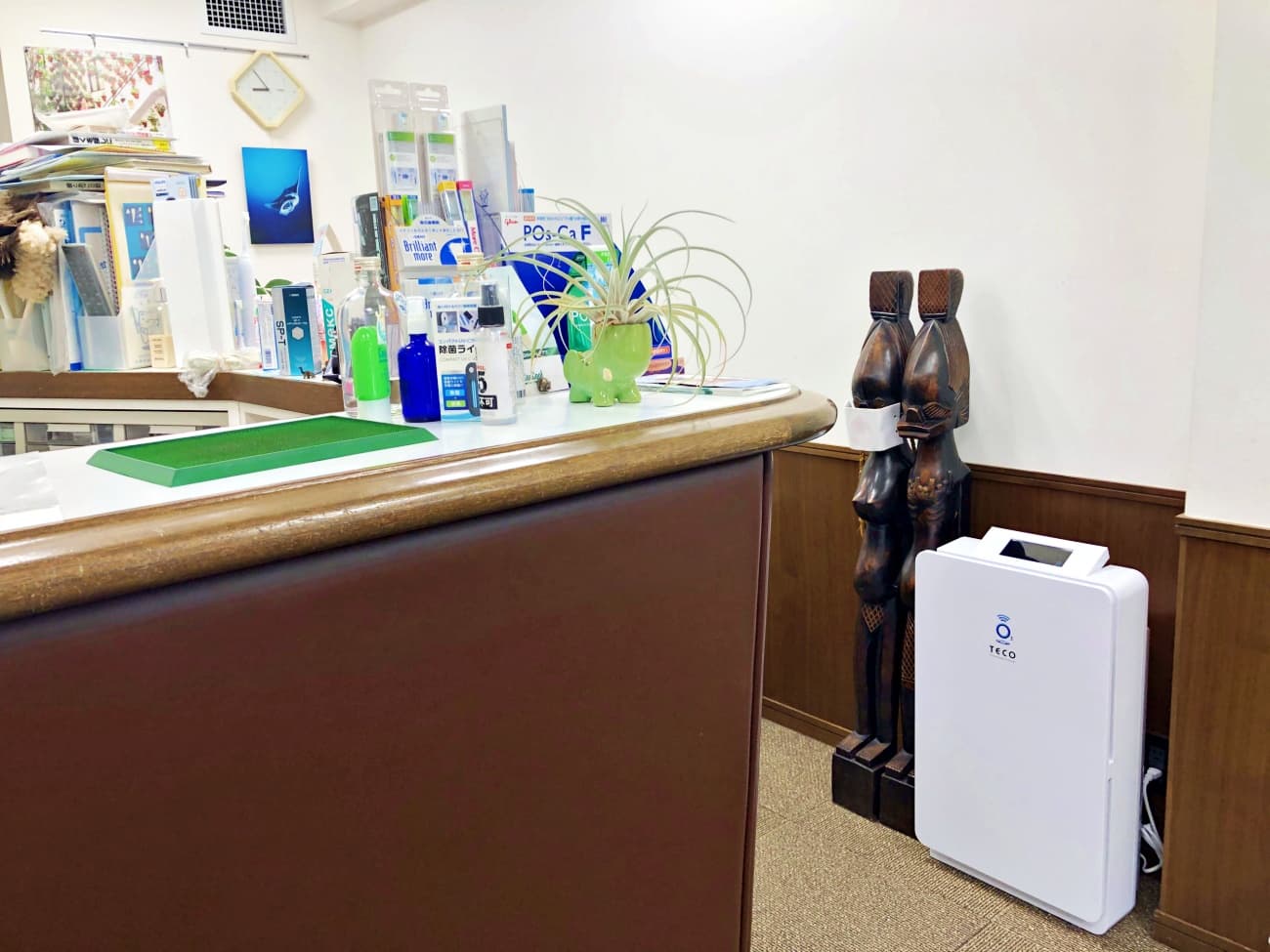
Actual installation scene: Inside the clinic
Frequently Asked Questions (FAQ) Regarding Clinic Installation
Insights from AIC Specialists: The “Rationale" Chosen by Medical Institutions
As seen in this case, what doctors on the frontlines of medicine value most is not a manufacturer’s advertising slogan, but “evidence from public institutions such as universities." The BT-180H is one of the few devices whose performance has been recognized in academic papers through joint research with Fujita Health University and Nara Medical University. We confidently propose it not merely as an air purifier, but as “medical infrastructure" that guarantees 24-hour peace of mind.
Click here for details on the “BT-180H" based on medical evidence
We also offer consultations regarding installation in clinics and facilities, as well as the utilization of subsidies.
Consult an Expert & Request Information for Free
* We can also arrange demo equipment loans and conduct on-site concentration measurement simulations.