


Case Study: Aqueous Ozone for Seafood Hygiene & Odor Control
CASE STUDY: Seafood Processing & Wholesale
Improving Seafood Freshness and Eliminating Severe Drain Odors:
Aqueous Ozone Cleaning Supports Hygiene and Better Work Environments
Product Installed: AIC Water Ozonizer®
What This Case Study Solved
In seafood processing and wholesale operations, fish fluids, oils, and exudates often accumulate on floors and in drainage trenches. Over time, these residues lead to strong fishy odors and hazardous biofilm (slime) buildup. Furthermore, the reliance on chlorine-based sanitizers introduces additional challenges for staff, including lingering chemical odors, time-consuming rinsing processes, and occupational dermatitis (skin irritation).
The AIC Water Ozonizer® utilizes aqueous ozone to wash whole fish, floors, drains, cutting boards, and processing equipment. It is a comprehensive system designed to simultaneously enhance hygiene management, eliminate odors, and reduce physical labor. By facilitating the creation of standardized, easy-to-follow cleaning procedures, it significantly elevates the overall sanitation standards of commercial seafood facilities.
■ Pre-Installation Challenges: Fishy Odors, Biofilm in Drains, and the Burden of Chlorine Sanitizers
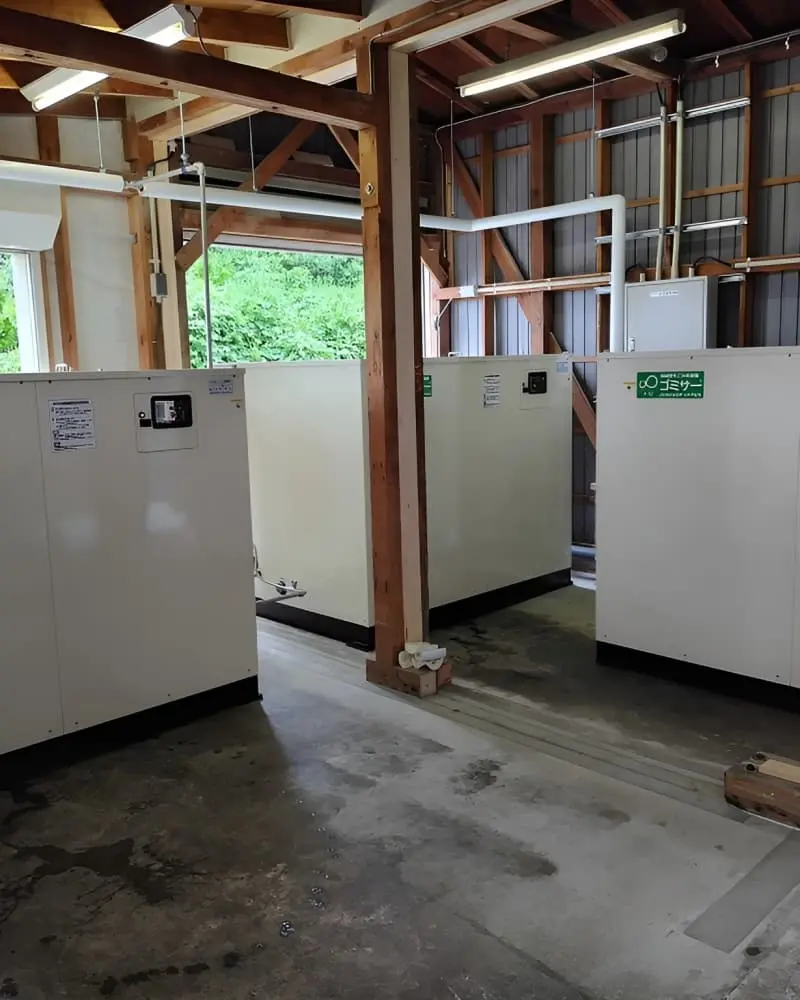
(Photo: AIC Water Ozonizer® installed on-site)
Processing large volumes of fish inevitably results in bloodwater, oils, and exudates spilling onto floors and into drainage systems. When these organic materials remain, they fuel bacterial growth and biofilm formation, causing the distinct, pungent fishy odor to permeate the entire facility.
The characteristic fishy smell is primarily driven by trimethylamine (TMA), a compound that develops as fish components degrade over time. Even with daily cleaning routines, residual contamination in drains and on floors leads to a compounding cycle of odors, slippery slime, and escalating hygiene concerns.
Conversely, while sodium hypochlorite and other chlorine-based sanitizers are traditionally used for hygiene management, they present significant drawbacks: lingering chemical smells, extensive rinsing requirements, skin irritation for workers, and increased labor. Balancing strict food safety requirements with a safe, comfortable working environment was a major ongoing challenge.
⚠️ Critical Challenges Faced by the Facility
■ Why They Chose AIC: Simultaneous Sanitization, Deodorization, and Cleaning with Zero-Residue Aqueous Ozone
The chosen solution was the AIC Water Ozonizer®. Ozone possesses powerful oxidizing properties, but uniquely reverts quickly to oxygen after reacting. This characteristic allows for effective cleaning, sanitization, and deodorization without leaving harmful chemical residues behind.
Regulatory bodies globally recognize ozone as safe for food contact (e.g., FDA GRAS status), and it is widely approved for antimicrobial purposes in food processing. However, because its efficacy depends on factors like ozone concentration and the specific target material, designing an operational protocol tailored to the facility’s unique conditions is essential.
The AIC Water Ozonizer® was highly evaluated because it eliminates the need for manual chemical dilution. Staff can access aqueous ozone on-demand, just like turning on a regular faucet, making it incredibly easy to integrate into daily routines for washing fish, equipment, and facility surfaces.
■ Post-Installation Results: Improved Freshness, Eliminated Drain Odors, and Reduced Labor
Normalizing Hygiene and Odor Control with the Simplicity of Washing with Water
Approved for direct food contact, aqueous ozone provides the distinct advantage of seamlessly incorporating sanitization and deodorization into standard daily processing and wholesale operations without added complexity.
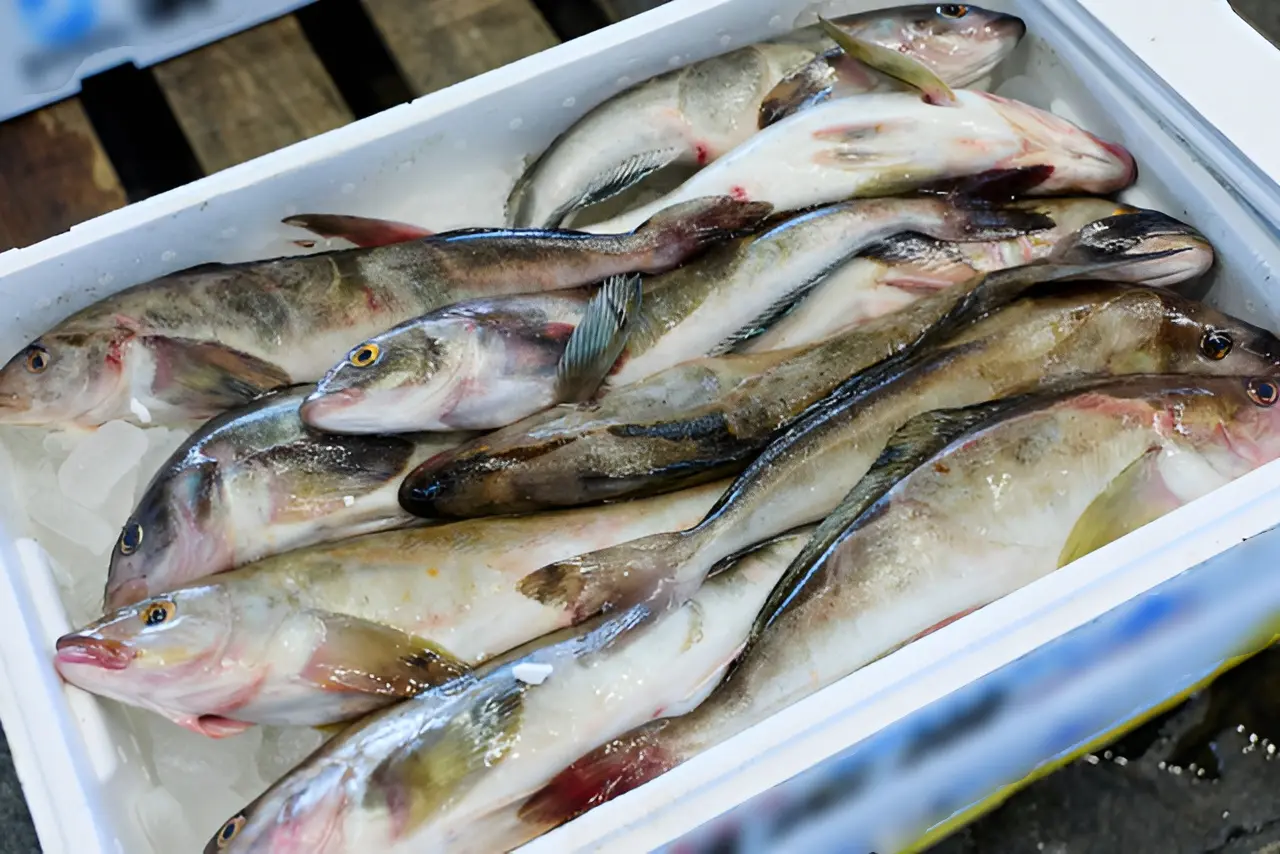
By using aqueous ozone to wash whole fish, the facility can effectively target surface contaminants and bacteria, establishing a workflow that actively supports freshness retention. This is an ideal operational upgrade for facilities looking to elevate their sanitation standards beyond conventional tap water rinsing.
Furthermore, simply hosing down floors, drainage trenches, cutting boards, and workstations with aqueous ozone at the end of the shift directly combats the organic matter responsible for fishy odors and biofilm. Eliminating the constant handling of harsh chemicals has reduced the need for exhaustive rinsing and alleviated staff skin issues, fostering a more sustainable and worker-friendly cleaning environment.
■ Standardizing Hygiene: “Consistent, High-Quality Sanitation, Regardless of the Operator"
In food handling environments, establishing clear, easy-to-follow Standard Operating Procedures (SOPs) is crucial to ensure that a consistent and reliable level of hygiene is maintained, regardless of who is performing the task.
The AIC Water Ozonizer® simplifies this by integrating the straightforward action of “washing with ozone water" into daily tasks. Whether cleaning floors, drains, equipment, or fish, it removes the complex steps of measuring and diluting chemicals, making it much easier to define and enforce facility-wide rules.
Particularly in the seafood industry where workforce turnover can be high, this system prevents sanitation quality from depending on specific individuals. It stands as a highly effective solution for achieving sustainable, long-term hygiene management that doesn’t overburden the staff.
■ Product Specifications
| Product Name | AIC Water Ozonizer® (Aqueous Ozone Generator) |
|---|---|
| Primary Applications | Washing and freshness management of raw fish; cleaning, sanitizing, and deodorizing floors, drains, cutting boards, workstations, and processing equipment. |
| Objectives | Eliminating fishy odors, preventing drain biofilm/slime, standardizing cleaning protocols, ensuring strict hygiene, and reducing reliance on harsh chlorine sanitizers. |
| Ideal Facilities | Seafood processing plants, fish wholesale markets, fresh fish handling facilities, food factories, commercial kitchens, and supermarket backrooms. |
[Video Guide] Safe and Powerful Sanitation with Aqueous Ozone
How does aqueous ozone affect bacteria and viruses, and why is it so widely adopted in food processing? This short 3-minute video provides an easy-to-understand explanation for first-time users.
Frequently Asked Questions (FAQ) from Seafood & Wholesale Professionals
AIC Specialist Insights: Food Safety Starts with “Operational Sustainability"
In the seafood industry, hygiene management doesn’t end simply by applying strong chemicals. True, stable sanitation is achieved only when cleaning protocols can be consistently followed every day, equipment is effortless for staff to use, and the work environment naturally resists odors and biofilm.
The AIC Water Ozonizer® is engineered to make freshness management, odor control, drain cleaning, and strict sanitation easily sustainable within daily operations. For companies committed to balancing rigorous food safety with a superior working environment for their staff, it represents an investment of exceptional value.
To Companies Considering Upgrades in Freshness Management and Facility Hygiene
“We want to see if it really eliminates odors." / “Can this be installed in our specific processing facility?"
Please submit your request via the inquiry form. AIC’s specialized staff will propose optimal installation plans and arrange testing tailored directly to your operational environment.