

[Case Study] Cost Reduction & SDGs with GOMISER | Hotel Banso
CASE STUDY: Hotel & Accommodation Facility (Hakodate, Hokkaido)
Combating Soaring Waste Collection Costs and Promoting SDGs Across the Group.
Achieving Both a Reduced Workload and a Pristine Environment by “Liquefying" Food Waste.
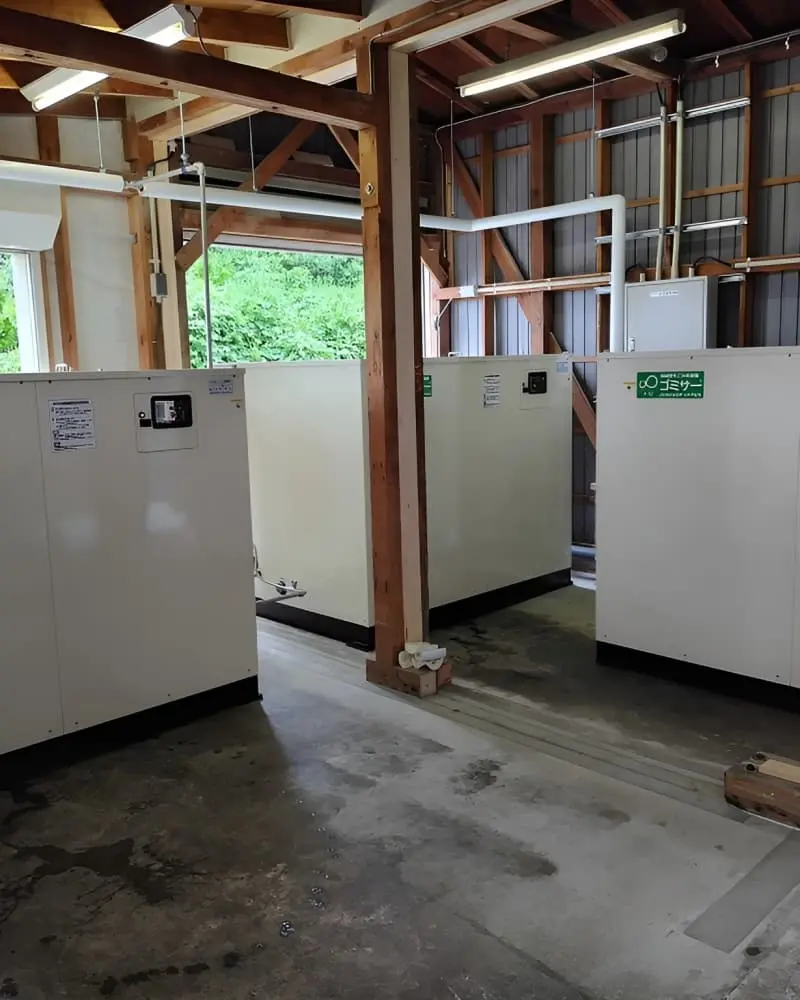
Equipment Installed: Commercial Food Waste Disposer GOMISER GH-35 (2 Units Installed)
Simultaneously achieved a lighter workload for waste disposal and a pristine, hygienic environment that contributes to SDGs.
[A Facility Dedicated to Advanced Hygiene Management and Environmental Responsibility]
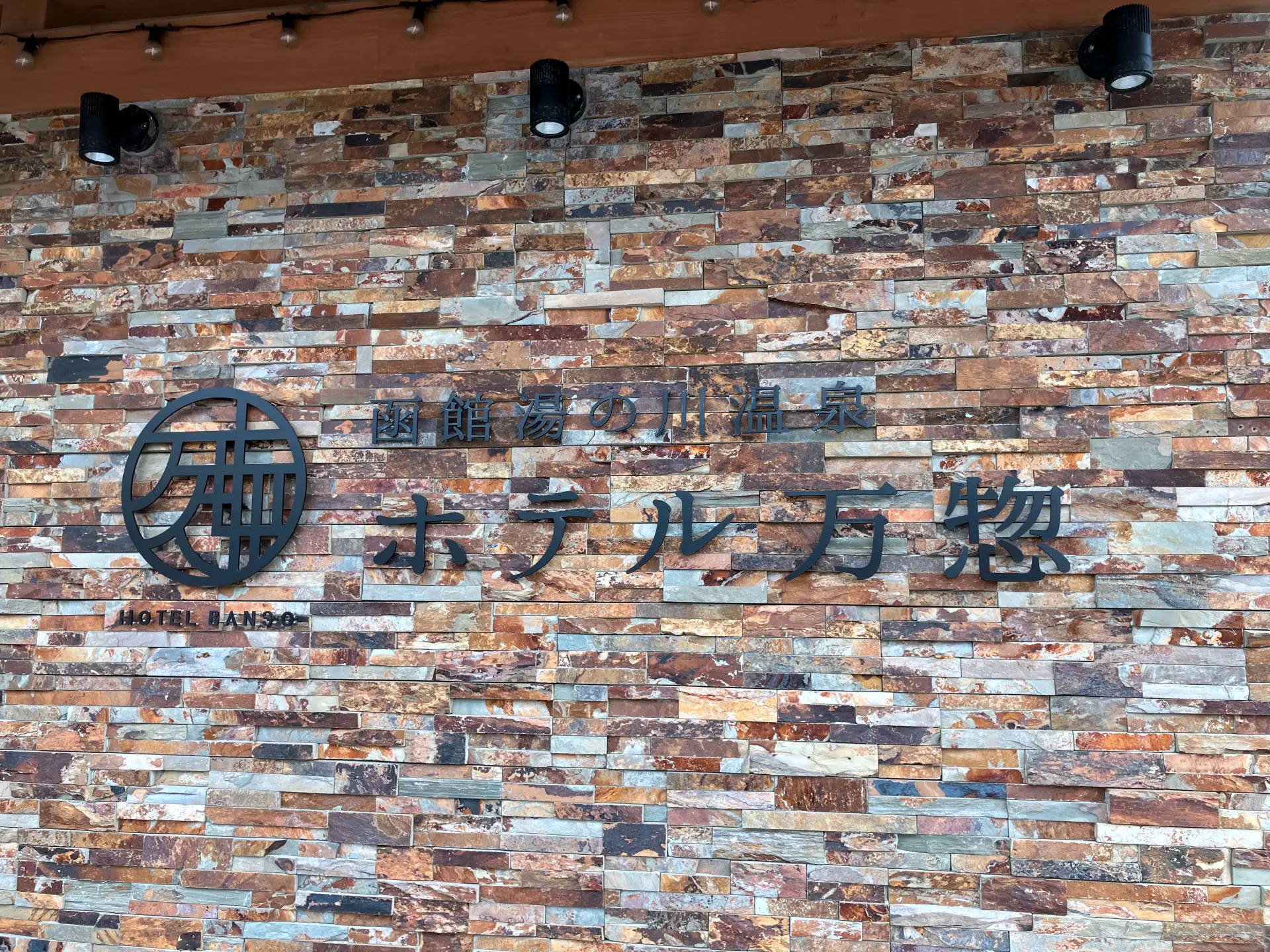
ORIX HOTELS & RESORTS – Hotel Banso
Location: Hakodate, Hokkaido
Located in Yunokawa Onsen, one of Hakodate’s premier hot spring resorts, Hotel Banso faced two major challenges regarding the daily disposal of large volumes of food waste: “soaring waste collection costs" and the “promotion of SDGs initiatives" championed by the entire ORIX HOTELS & RESORTS group.
For accommodations that pride themselves on serving exquisite dining, hygienic food waste disposal is an unavoidable issue. Instead of simply throwing it away, the hotel chose an environmentally friendly processing method that “decomposes and eliminates food waste into water," simultaneously achieving cost reduction, improved on-site hygiene, and a tangible contribution to SDGs.
■ Pre-Installation Challenges: Soaring Collection Costs and Meeting the Group’s SDGs Goals
[Site Characteristics] Due to the nature of a hotel facility, a constant volume of food waste is generated daily from its restaurants and kitchens. Previously, they outsourced the disposal to a collection contractor, but recent spikes in waste collection fees were severely squeezing the facility’s running costs.
Furthermore, as the ORIX HOTELS & RESORTS group strengthened its commitment to environmental issues and SDGs, there was an urgent need to reconsider the traditional method of “disposing of food waste as burnable garbage" and transition to a process with a lower environmental impact. Additionally, the odor and hygiene issues caused by temporarily storing food waste in the garbage depot until collection day had emerged as a crucial operational issue that needed to be resolved.
⚠️ Key Challenges at the Time
- Surging Collection Costs: The need to reduce continuously rising outsourced food waste collection fees.
- Addressing SDGs: Executing concrete actions toward environmental measures and SDGs promoted across the entire corporate group.
- Hygiene Concerns: Severe odors and deteriorating sanitary conditions caused by storing food waste prior to disposal.
■ Reason for Selection: The Overwhelming Convenience and Environmental Performance of “Liquefying" Food Waste
The biggest deciding factor for implementing GOMISER was its unique processing method, which decomposes and eliminates food waste into “water (liquid)" using the power of highly active microorganisms.
Management highly praised the system, noting, “Because the food waste turns into water, the disposal workload for our on-site staff becomes significantly easier," greatly reducing daily operational burdens. Furthermore, a system that processes waste on-site without incineration is highly eco-friendly. Convinced that it was “the ideal disposal machine from the perspective of our SDGs goals," they opted to install two GH-35 units to handle an estimated 70kg of waste per day.
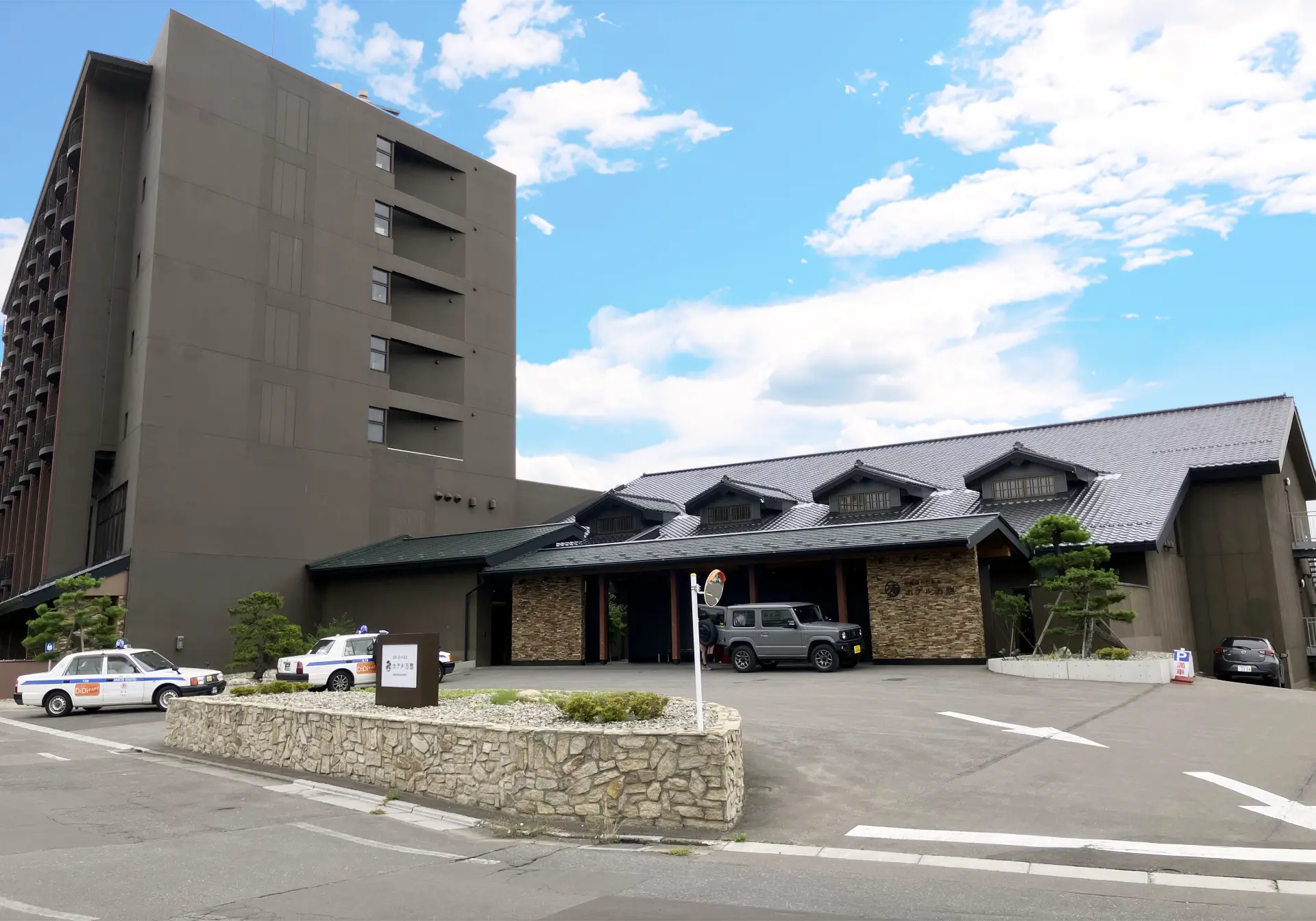
(Photo: Hotel Banso, which installed the system as an ideal solution from an SDGs perspective)
■ Installation & Results: An “Optimal Layout" Guided by Thorough Preliminary Consultations
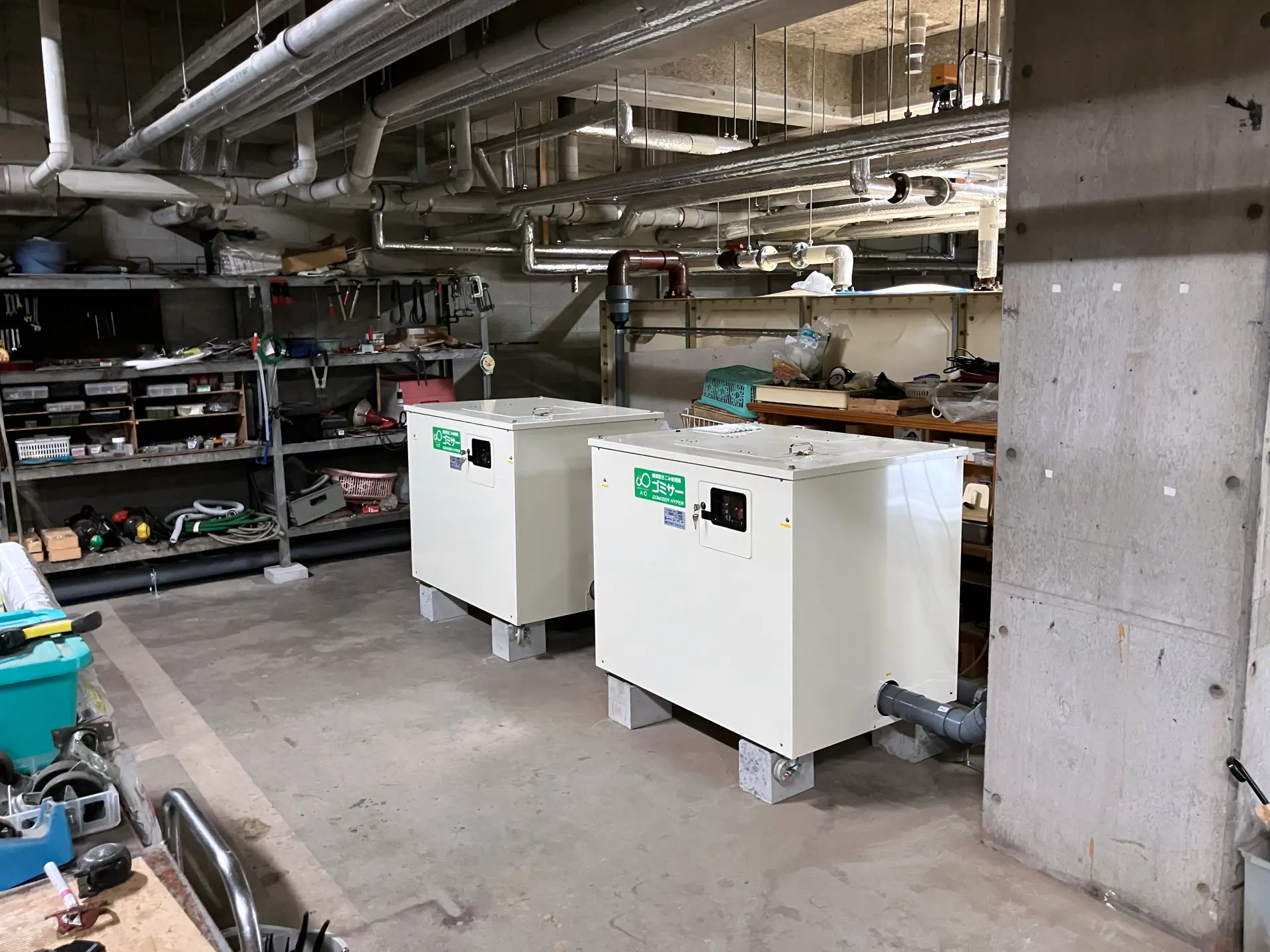
(Photo: The optimal backroom layout for the GH-35 units)
Initially, the client requested that the units be installed “inside the existing, narrow garbage depot." However, after our specialized staff conducted thorough site surveys and consultations, we proposed moving the installation to a more spacious and suitable backroom (equipment area), taking into account staff workflow and future maintainability.
Ultimately, this optimized layout proved highly successful, creating an environment where staff can utilize the equipment smoothly and efficiently. Since installation, we have received delightful feedback stating they are “extremely satisfied," and the system has significantly contributed to reducing running costs and maintaining a pristine, hygienic environment.
- ✅ Realizing Cost Reduction: Curbed soaring collection fees, directly improving the facility’s running costs.
- ✅ Alleviating On-Site Workload: Simply depositing the food waste “liquefies" it, drastically reducing the physical labor of taking out the trash.
- ✅ Promoting SDGs and Hygiene Management: Transforming waste into water simultaneously lowers environmental impact and prevents foul odors.
■ AIC Commentary: Expert Insights
For accommodation facilities, food waste processing is a critical issue that directly impacts not only cost reduction but also the preservation of aesthetics, hygiene, and the working environment for employees.
[Professional Know-How] “Optimal Installation Proposals" Based on Facility Structure and Workflow
- ✓
Layout Optimization Based on Site Surveys:
Rather than simply accepting the client’s initial request (installation in a narrow garbage depot), we proposed a placement that considered “daily usability" and “equipment maintainability" from an expert’s perspective. This approach directly resulted in high post-installation satisfaction. - ✓
Embodying SDGs in the Hotel Industry:
For accommodations, implementing a system that processes (liquefies) massive amounts of food waste on-site serves as a highly visible contribution to SDGs. This is a vital investment that directly enhances corporate value while concurrently improving the labor environment for on-site staff.
Accommodation managers struggling with “high food waste processing costs" or searching for “concrete initiatives for SDGs" are highly encouraged to take advantage of our comprehensive site surveys and optimal planning services.
Client Feedback & FAQ
Commercial Food Waste Disposer “GOMISER" GH-35
The optimal standard model for mid-sized facilities generating tens of kilograms of food waste daily. As demonstrated in this case study, combining multiple units enables highly flexible operation and effective risk distribution tailored to your facility’s exact processing volume.
Biodigester Consultations, Free Estimates, and Brochure Requests
Professional Support to Achieve
Environmental Improvement & Cost Reduction
We propose the optimal models and installation plans tailored to your specific facility conditions.
Please feel free to ask about “Site Visits" or “Trial Monitor Installations."
Simulate the Installation Effects for Your Company for Free
Find out your "cost reduction" and "CO2 reduction" instantly based on your current data.