

[Case Study] School Lunch Center (Gifu Prefecture) | Saving 24 Million Yen Annually in Disposal Costs and Driving SDGs
CASE STUDY: School Lunch Centers & Food Processing Plants (Gifu Prefecture)
Liquefying 500 kg of Food Waste Daily, Drastically Cutting Annual Disposal Costs by 24 Million Yen to “One-Eighth."
A Bold Step Towards Carbon Neutrality, Benefiting the Community and the Environment.
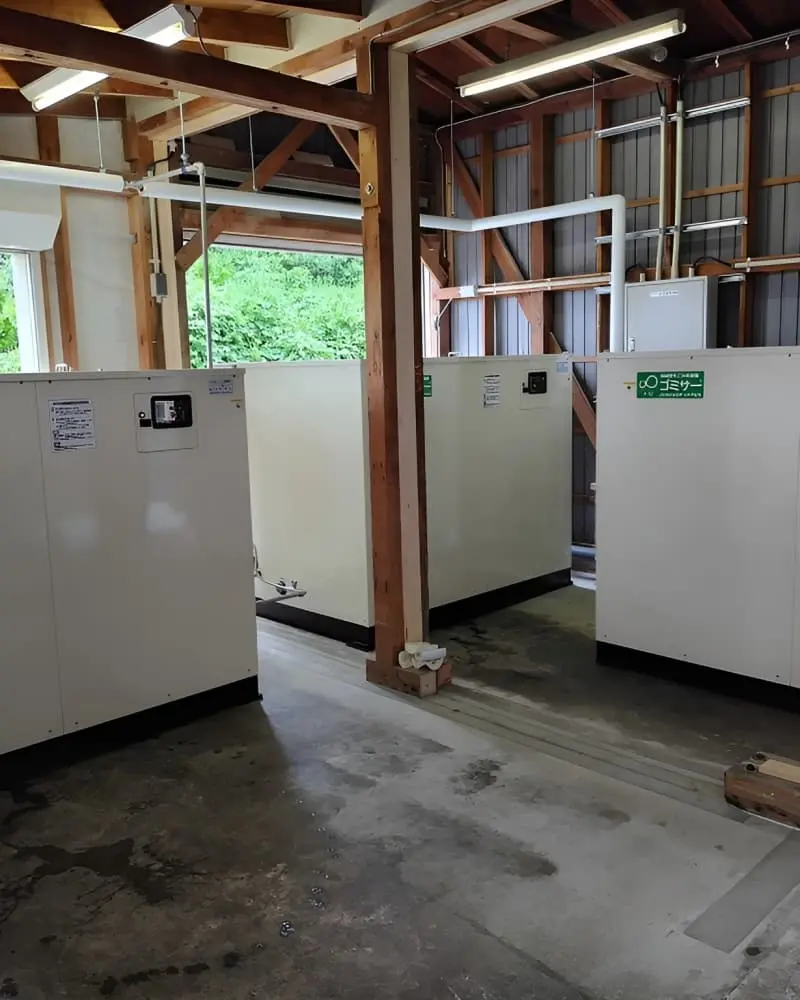
Model Installed: Large-Scale Commercial Food Waste Processor Gomi-Suru GH-500
By eliminating the incineration and transportation of food waste, the facility is projected to reduce CO2 emissions by roughly 300 tons annually,
strongly driving SDGs and decarbonization efforts forward.
[A facility aiming to realize a sustainable local community]
School Lunch Center (Bento Manufacturing)
Location: Gifu Prefecture
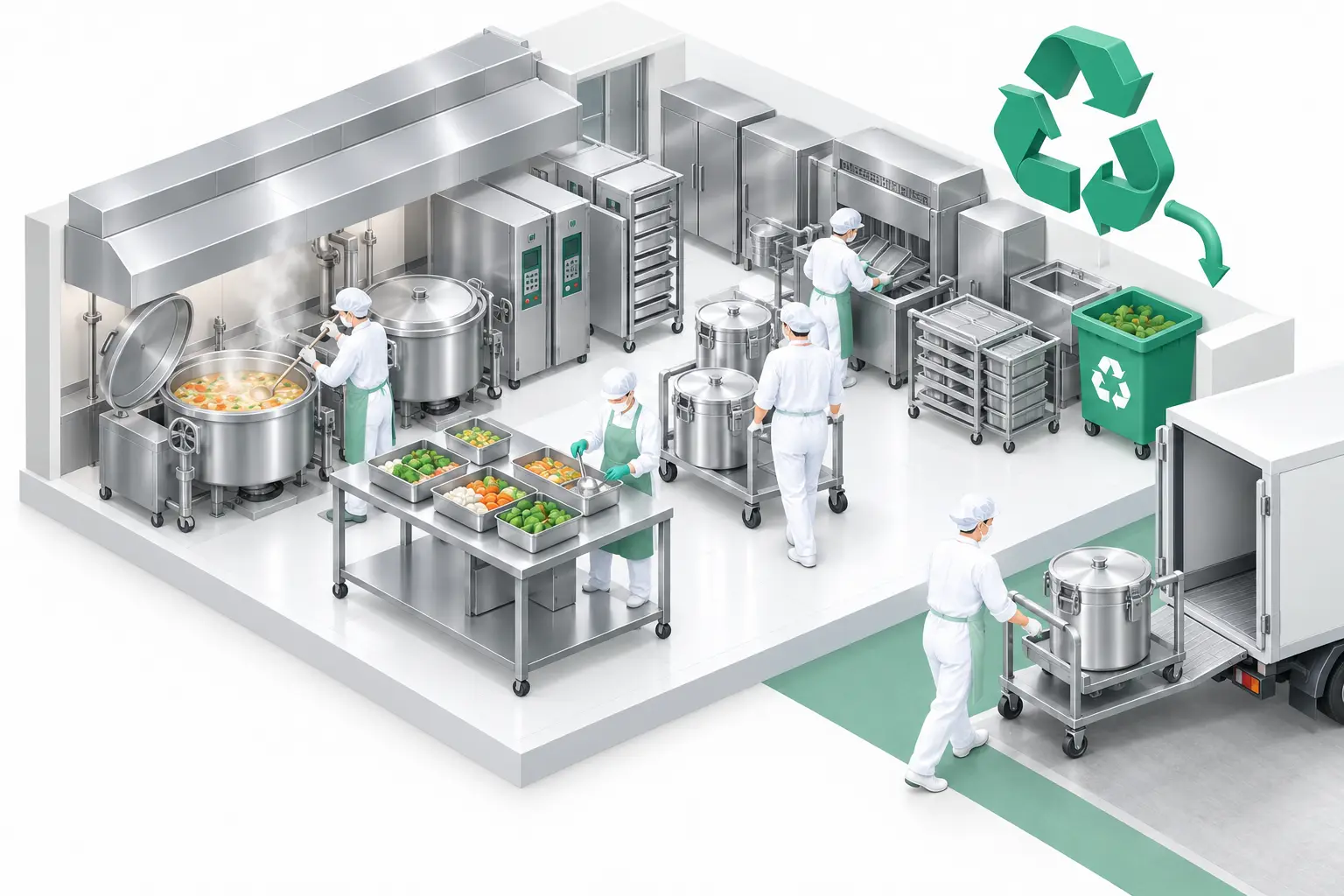
This case study features a large-scale school lunch center in Gifu Prefecture that manufactures and supplies approximately 5,000 bento boxes daily, where a high-capacity food waste processor was successfully installed in the fall of 2022.
While providing a stable supply of massive meal volumes, the facility struggled with a significant operational challenge: the treatment of nearly 500 kg of daily food waste—including preparation scraps and collected meal leftovers—and the exorbitant costs associated with it.
After deeply considering “what we can do for the local community," the center decided to abandon the traditional “burn and discard" method from the perspective of SDGs and carbon neutrality. By introducing the large-scale “Gomi-Suru GH-500" processor, which breaks down and liquefies food waste, they simultaneously achieved massive cost savings and a significant reduction in CO2 emissions.
■ Background: 24 Million Yen in Disposal Fees and the Massive Environmental Impact of Incineration
Producing 5,000 meals daily generates around 500 kg of food waste. Previously, the center outsourced the entirely of this waste to industrial collection contractors for incineration.
The disposal costs reached an astonishing approximately 24 million yen annually. Coupled with recent spikes in fuel prices, this severely pressured corporate profit margins. Furthermore, transporting heavy, water-laden food waste and burning it in incinerators generated an estimated 233 tons of carbon dioxide (CO2) each year. In today’s corporate landscape, where achieving a decarbonized society is paramount, addressing this colossal environmental burden became an urgent priority.
- Enormous Disposal Costs: 24 million yen in annual industrial waste disposal fees, directly impacted by soaring fuel prices.
- Massive Environmental Impact: Emitting roughly 233 tons of CO2 annually through the transportation and incineration of food waste.
- Corporate Social Responsibility: A lack of concrete, effective actions toward achieving SDGs.
■ Deciding Factors: A System Where “Cost Reduction" Directly Translates to “Local Environmental Contribution"
The primary factor in their decision was Gomi-Suru’s ability to liquefy food waste into water, which dramatically cuts expensive industrial waste fees while directly contributing to local carbon neutrality.
By eliminating transportation by garbage trucks and the fossil fuels required to evaporate moisture for incineration, this processing method serves as a powerful defense against rising fuel costs. For a center deeply committed to exploring “what we can do for the community," the GH-500 model—with its 500 kg daily processing capacity—was the perfect large-scale equipment to flawlessly balance economic benefits with social responsibility (SDGs).
■ Installation & Results: Slashing Costs to “1/8" and Reducing CO2 by 300 Tons Annually
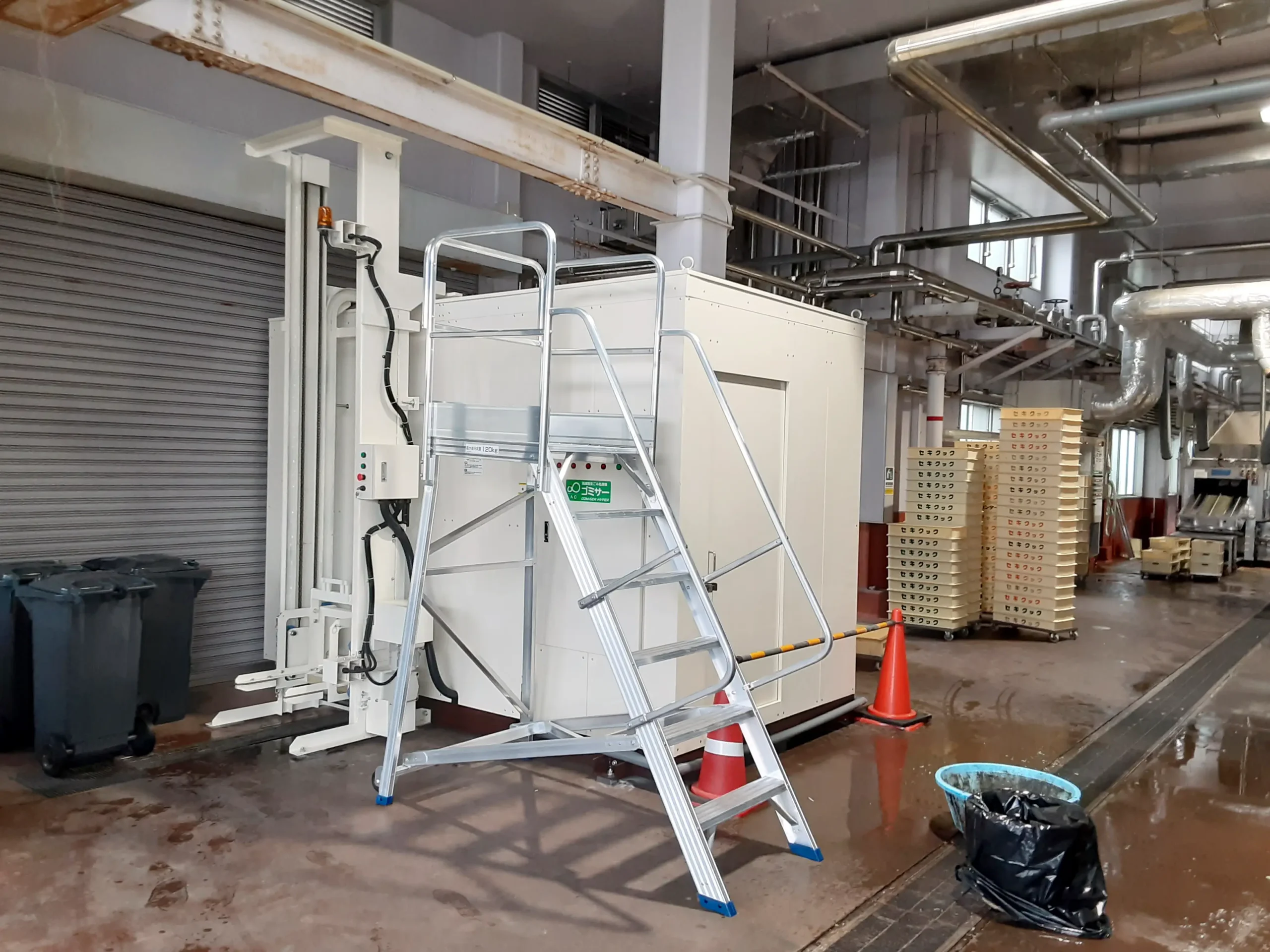
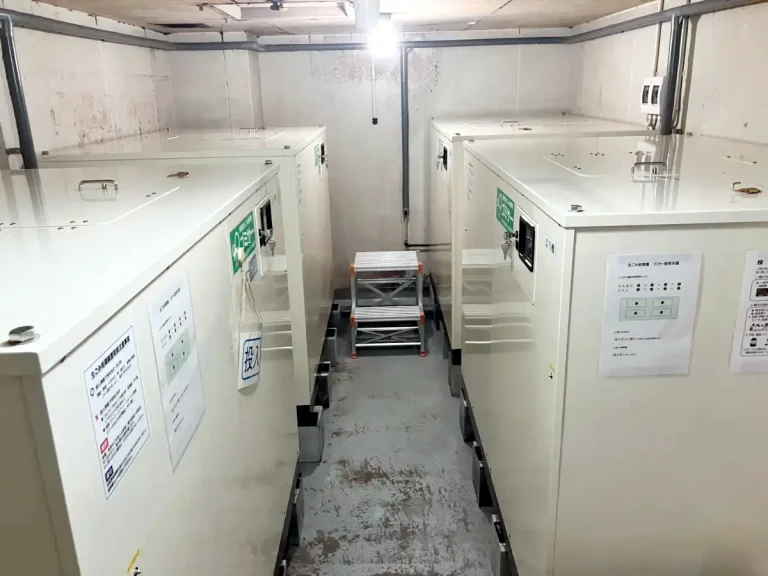
(Photo: The large-scale Gomi-Suru GH-500 processor installed at the lunch center)
As a result, the industrial waste disposal costs that previously amounted to 24 million yen a year were dramatically compressed to approximately one-eighth, even when factoring in electricity and other running costs. Furthermore, halting the transport and incineration of food waste is projected to yield an enormous reduction in CO2 emissions—over 300 tons annually—significantly contributing to environmental conservation and the realization of a sustainable society in the local community.
- ✅ Dramatic Cost Reduction: Kept 24 million yen in disposal costs down to 1/8, vastly improving the corporate profit margin.
- ✅ Driving Decarbonization: Eliminated food waste transport and incineration, reducing CO2 emissions by over 300 tons annually.
- ✅ Concrete Contribution to SDGs: By liquefying waste in-house, the facility leads the way in building a sustainable local community.
■ AIC Expert Commentary
For large-scale school lunch centers and food processing plants generating hundreds of kilograms to multiple tons of food waste daily, disposal costs are one of the most significant factors squeezing profit margins.
[Professional Insights] “Proactive Capital Investment" with Large-Scale Processors
- ✓ Speed of ROI: As seen in this case study, facilities facing tens of millions of yen in industrial waste fees can recover the initial investment of a large-scale processing system within just a few years (sometimes as early as 1 to 2 years). Thereafter, the equipment transforms into an asset that continuously generates massive profit margins due to costs being slashed to 1/8.
- ✓ Foundation for Carbon-Neutral Management: Burning moisture-rich food waste with fossil fuels yields only negative outcomes, both environmentally and economically. The choice to return food waste to water on-site is the ultimate management strategy—avoiding the risks of surging fuel prices while proudly showcasing proven CO2 reduction results to society.
Frequently Asked Questions (School Lunch Centers & Food Processing Plants)
Large-Scale Commercial Food Waste Processor “Gomi-Suru" GH-500
A heavy-duty model designed for school lunch centers and food processing plants requiring massive daily processing capacities ranging from hundreds of kilograms to multiple tons. It drastically slashes exorbitant industrial waste costs and strongly supports carbon-neutral management.
Consultations, Free Estimates, and Information Requests
Professional Support for Environmental Improvement
and Cost Reduction with Gomi-Suru
We propose the optimal models and implementation plans tailored specifically to your site.
Please feel free to ask about “Product Demonstrations" and “Preliminary Processing Tests / Monitor Installations."
Installation Examples of Gomiser & Gomisupporter
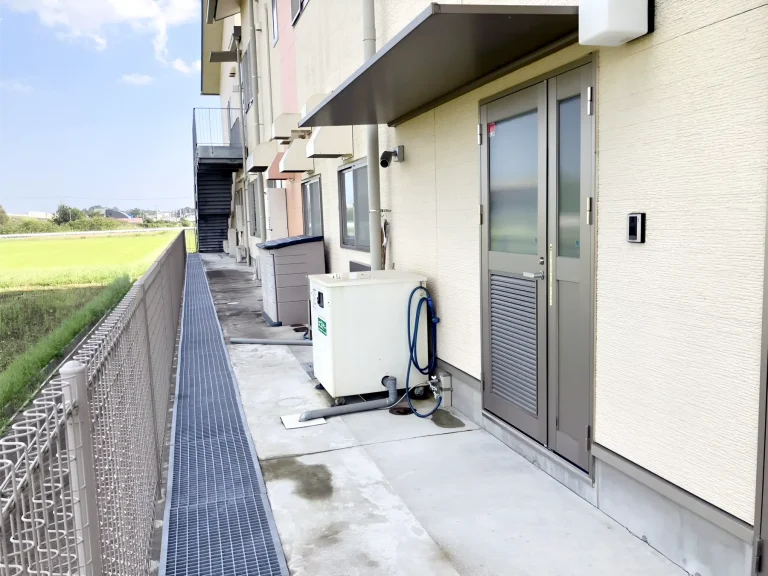
[Case Study] Hotel Universal Port & Vita (Osaka) | Combating Rising Waste Disposal Costs & Advancing SDGs with Recognized Liquefaction Technology
[Case Study] Kobe Nursery School (Mie Prefecture) | Replacing Compost Systems with Zero-Labor Liquefaction Technology for Dramatic Efficiency Gains
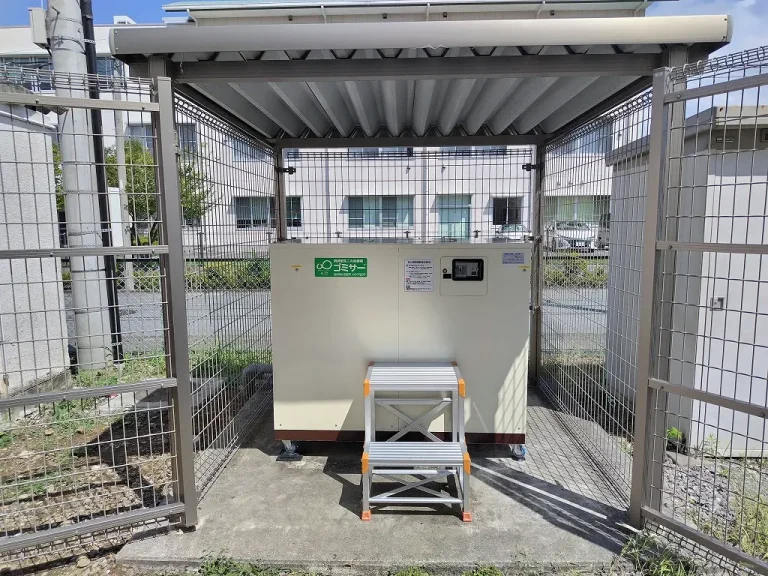
[Case Study] Elementary School (Shimizu, Shizuoka) | Evolving from Composting to Zero Maintenance Costs. Fully Installed in All 5 Municipal Schools
Simulate the Installation Effects for Your Company for Free
Find out your "cost reduction" and "CO2 reduction" instantly based on your current data.