

[Case Study] Restaurant Hygiene: Food Waste Disposer GOMISER | AIC
CASE STUDY: RESTAURANTS & DRIVE-INS (HYGIENE IMPROVEMENT & COST REDUCTION)
Kitchen Hygiene Management Drastically Improved Without the Need for Draining Water!
Solving Bad Odor and Pest Problems with the Zero-Residue “Annihilation Type"
Installed Company: Drive-in Sakagura (Nagano Prefecture)
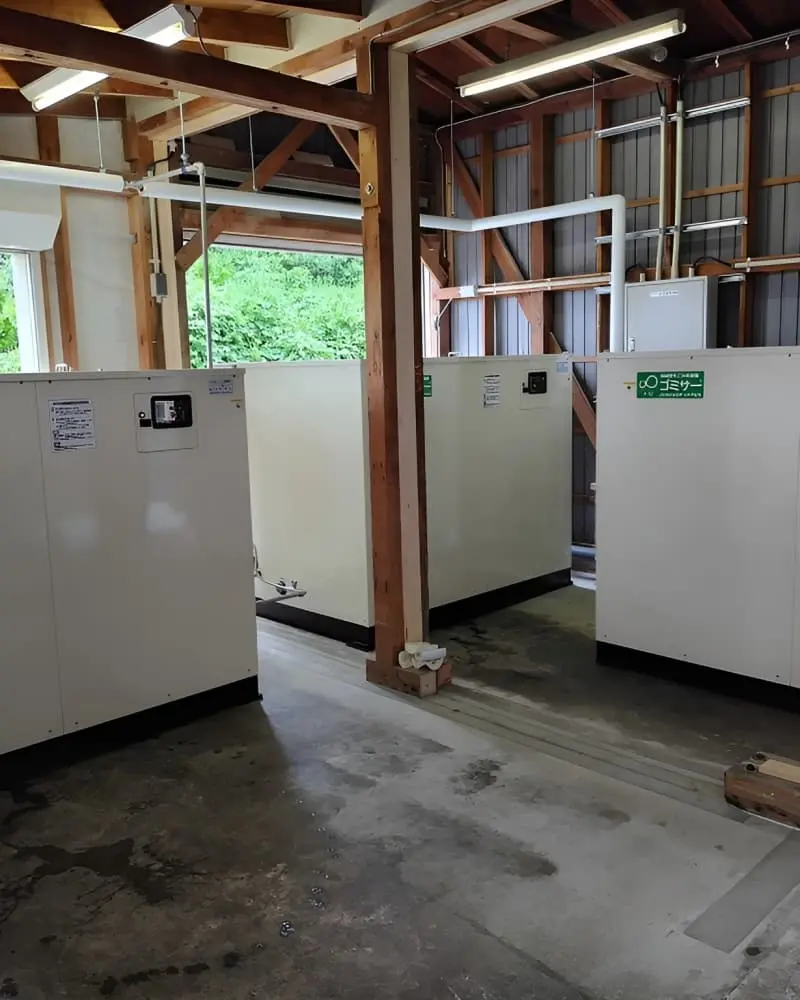
Installed Model: Commercial Food Waste Disposer GOMISER
The zero-residue annihilation type resolved bad odors and pest issues during outdoor storage, and also succeeded in reducing disposal costs.
■ Challenges Before Installation: Hygiene Issues from Draining Water in the Kitchen, and Bad Odors and Pests from Outdoor Storage
They outsourced the disposal of food waste generated daily to a contractor, but before taking it out, the task of “draining water in the kitchen sink" always occurred. Draining food waste inside a kitchen where meals are prepared posed a major problem in terms of hygiene management. Furthermore, the contractor did not come to collect from the outdoor food waste storage area every day, but “every 2 or 3 days," which led to bad odors and pests, especially during times of high temperatures, making hygiene management of the storage area a serious concern.
- Hygiene Concerns in the Kitchen: Risk of cross-contamination due to draining food waste in the cooking area.
- Outdoor Odors & Pests: An unsanitary environment caused by storing food waste for several days until collection.
- Labor Hassle: The burden on staff to drain the waste and carry it out to the designated area.
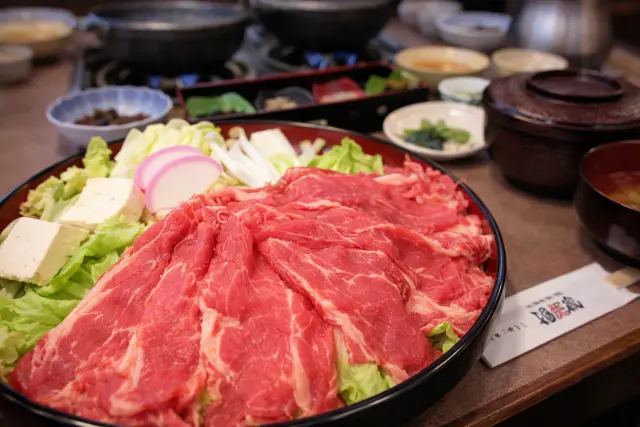
Site Characteristics:
Because it is a kitchen that provides delicious food, thorough hygiene management is required. However, there was a limit to operations left to collection contractors.
*The image is for illustrative purposes only.
■ The Decisive Factor: The “No-Draining Annihilation Type" That Requires No Residue Processing Effort
While searching for a method that reliably processes food waste every time without the need to drain water, they considered installing a food waste disposer. There were composting types available, but they avoided them because the effort of disposing of the generated compost would become a new burden. In that regard, “GOMISER," which decomposes waste into water and carbon dioxide using the power of bacteria, was selected as a product perfectly matching Drive-in Sakagura’s requests, as absolutely no residue (compost) is left and everything is annihilated, eliminating the need for troublesome water draining.
■ Effects After Installation: Kitchen Hygiene Management Vastly Improved, and Costs Reduced
After installing GOMISER, all designated food waste could be processed on the spot, vastly improving the “kitchen hygiene management" they had been concerned about. Being no longer bothered by bad odors or pests and having a comfortable work environment has also led to an improvement in the hygiene awareness and motivation of the staff. Furthermore, compared to the monthly collection fees previously paid to contractors, they were able to achieve a “clear reduction in food waste processing costs" in a monthly cost comparison.
- ✅ Dramatic Improvement in Hygiene: Water draining work disappeared. Both the kitchen and the outdoor storage area are clean.
- ✅ Reduced Staff Burden: Unpleasant odors and the hassle of taking out the garbage were eliminated, improving the work environment.
- ✅ Reduction of Processing Costs: Outsourcing collection to contractors was eliminated, reducing monthly expenses.
No need to drain water; just put in the food waste every time it occurs. Since there is no residue, there is no hassle in removing it.
■ AIC Comments
[Industry TOPICS] The Worsening Current State of Food Waste
Globally, 2.5 billion tons of food is wasted annually, equivalent to about 40% of the food produced. In Japan as well, about 5.23 million tons of food is wasted annually, of which about half, 2.79 million tons, is commercial food loss. The country has set a major goal of reducing commercial food loss to 2.73 million tons by 2030, making it an urgent task for the entire food and beverage industry to take action.
As mentioned above, “reducing food loss itself (leftovers and waste)" is a major theme for the entire industry, but at the same time, “how to process inevitable cooking scraps and residue without placing a burden on the environment" is an important SDG challenge faced by restaurants.
The traditional process of having contractors collect these and burn them in incinerators involves exhaust gas from transport vehicles and massive CO2 emissions during incineration. Like Drive-in Sakagura, the choice of installing GOMISER to “completely decompose (annihilate) food waste into water and carbon dioxide on the spot without taking it outside" is a highly rational ecosystem that zeroes out the environmental impact of this transportation and incineration.
And above all, on-site employees are completely freed from unsanitary heavy labor such as “troublesome water draining" and “taking garbage out to outdoor containers where bad odors and pests breed." The very fact that you can create a safe and comfortable work environment for your staff (rewarding work) simultaneously with your contribution to the environment (SDGs) is the greatest value of installing an annihilation-type disposer.
Customer Voices & Q&A
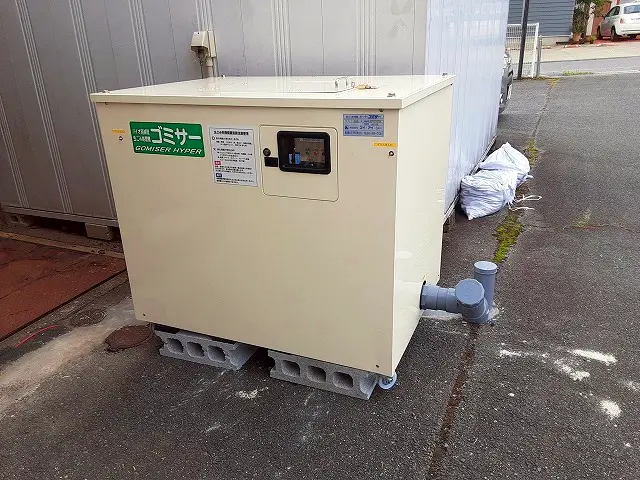
Commercial Food Waste Disposer “GOMISER®"
A completely extinction-type food waste disposer that completely eliminates the need for troublesome “water draining" or “compost removal." Because it breaks down food waste into water and carbon dioxide on the spot, it zeroes out kitchen odors and pest risks during outdoor storage while drastically reducing industrial waste costs.
Free Consultation for Restaurant & Kitchen Managers
Professional Support to Improve Kitchen Hygiene
& Drastically Reduce Total Costs
Our experienced specialist staff will answer your questions for free, such as “How much cheaper will it be compared to our current waste collection fees?" or “What size unit can fit in our store?"
We also offer advice on “outdoor installation feasibility" and online site hearings.
Simulate the Installation Effects for Your Company for Free
Find out your "cost reduction" and "CO2 reduction" instantly based on your current data.