
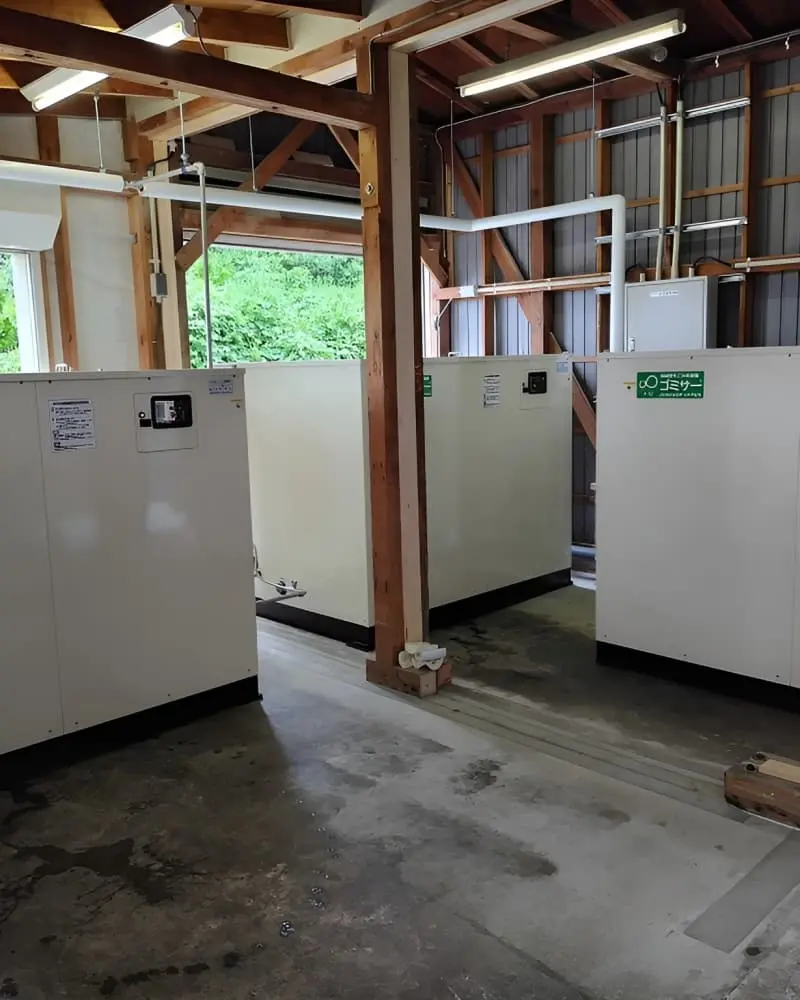


Basis of CO2 Reduction Simulator | Environmental Standards – AIC
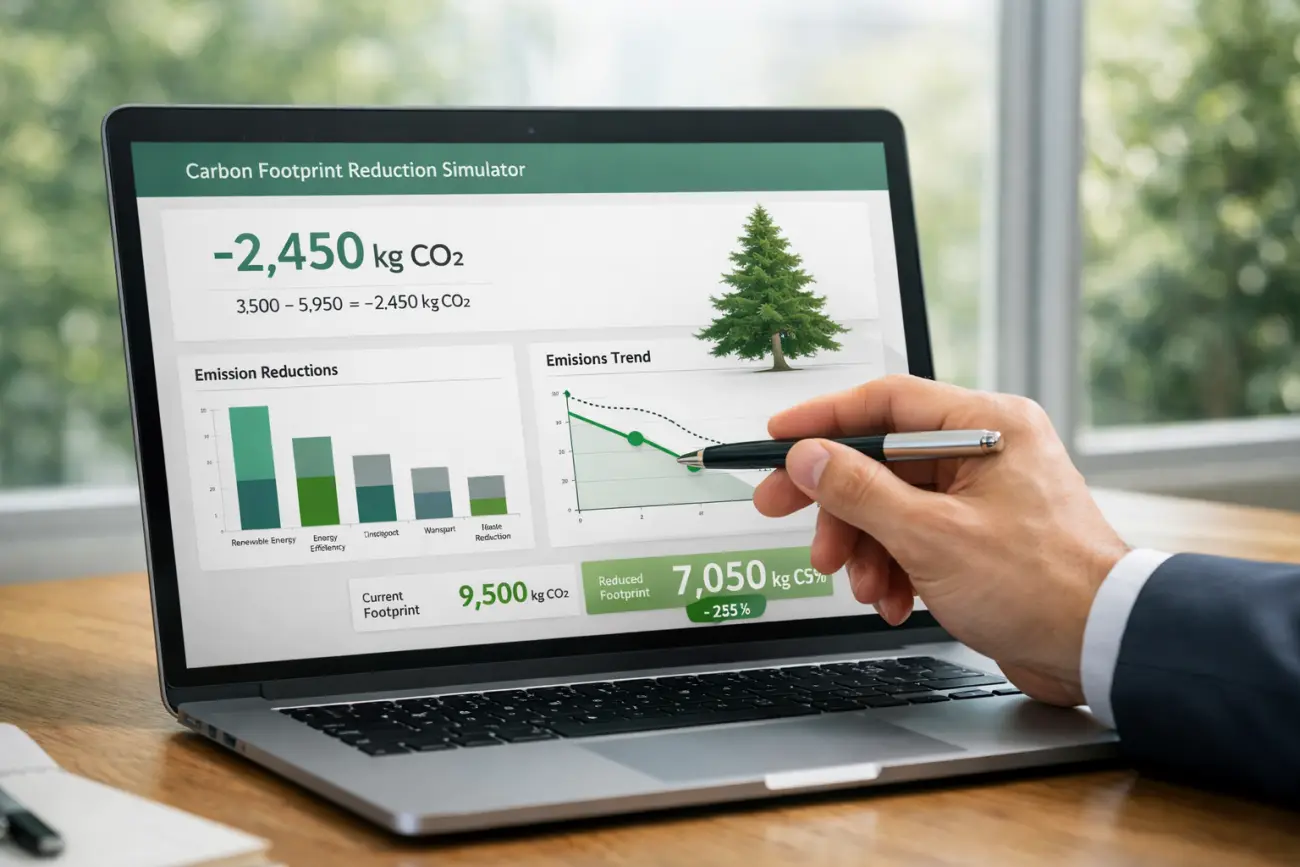
This simulator calculates figures based on objective data published by the Ministry of the Environment and the Forestry Agency of Japan.
Basis and Calculation Formulas of the CO2 Reduction Simulator
The figures calculated by the “CO2 Reduction Simulator" on our website are not based on proprietary criteria, but on official guidelines and emission factors published by the Ministry of the Environment and the Forestry Agency. We provide highly transparent and objective evidence so that companies can confidently report their reduction results for ESG investment, SDG initiatives, and the increasingly demanded reduction of greenhouse gas emissions across the entire supply chain (Scope 3: Waste generated in operations).
1. The 3 Basic Logics Behind CO2 Reduction
Current Emissions (Before)
CO2 emissions from disposing of food waste are calculated primarily from the fuel of collection vehicles (diesel) and the combustion improvers and electricity needed to burn high-moisture food waste in incinerators. Massive amounts of fossil fuels are currently consumed to burn food waste.
Emissions After Installation (After)
The CO2 emitted after installing our processing machines is limited solely to the “power consumption required to operate the equipment." Since the transportation and incineration costs of food waste drop to zero, the difference here represents the total “reduction amount."
2. Why Does Microbial Decomposition Result in “Zero CO2 Emissions"?
The Concept of “Carbon Neutrality" Based on IPCC Guidelines
In our food waste processing machines (decomposition method), trace amounts of CO2 are generated as microorganisms decompose organic matter. However, this CO2 was originally absorbed from the atmosphere by plants through photosynthesis. Under international climate change rules (IPCC guidelines), the return of such Biogenic carbon to the atmosphere is treated as “Carbon Neutral (Zero Emissions)" because it does not increase the total amount of CO2 in the atmosphere. Therefore, the simulator calculates the CO2 generated during the processing phase as zero.
3. Official Standards and Concepts as Evidence
- ■ The Concept of Life Cycle Assessment (LCA)
This simulator is based on the LCA concept, which evaluates the environmental impact over the entire life cycle of a product (transportation, intermediate processing, and final disposal). By targeting not only the power consumption of the equipment but also the “CO2 associated with collection and transportation" and the “energy required for incineration," we visualize a more realistic environmental contribution.
- ■ CO2 Emission Factor for Electricity
The CO2 emissions from the electricity used to operate the equipment are calculated using the “Emission Factors by Electric Utility" published by the Ministry of the Environment (national average or the latest regional factors). This accurately reflects “how much CO2 is emitted per 1 kWh of electricity used."
- ■ Basis for the Equivalent Number of “Cedar Trees"
To make the amount of reduced CO2 visually easy to understand, it is converted using the standard value published by the Forestry Agency (the amount of CO2 absorbed by one hectare of 50-year-old artificial cedar forest in one year = approx. 8.8 tons / approx. 14 kg per cedar tree per year). [Formula: Calculated CO2 reduction (kg) ÷ 14 kg = Equivalent number of cedar trees]
* The figures provided by this simulator are estimated values based on emission factors published by the Ministry of the Environment and the concept of Life Cycle Assessment (LCA). Actual reduction amounts may vary depending on the local waste disposal environment.
[Model Case] Facility processing 50 kg of food waste per day
= Approx. 2,400 kg of CO2 reduction per year!
(Equivalent to approx. 171 cedar trees based on Forestry Agency standards)
* Figures are simulation examples using average emission factors published by the Ministry of the Environment.
4. Frequently Asked Questions (FAQ) about the Simulator
Yes, absolutely. Since it is objective data based on the standards (evidence) of official organizations such as the Ministry of the Environment and the Forestry Agency, you can confidently use it in internal and external reports as an achievement of your company’s efforts to reduce environmental impact (Scope 3, etc.).
The baseline is calculated by combining the fuel efficiency of standard garbage collection vehicles (CO2 emission factor of diesel oil) and the average data for combustion improvers and electricity required to evaporate and burn food waste (approx. 80% moisture) in incinerators.
* These are estimated values based on emission factors published by the Ministry of the Environment and the concept of Life Cycle Assessment (LCA). Actual reduction amounts may vary depending on the local waste disposal environment.
Yes, it will be reflected. When the latest electricity emission factors are published by the Ministry of the Environment, the calculation parameters within our system are sequentially updated to ensure we always provide the latest and most reliable figures.
Visualizing “Environmental Value" to Support Your SDGs
Providing “evidence" that everyone can agree with, rather than figures convenient for ourselves. That is our responsibility as an environmental equipment manufacturer. Please feel free to use the simulation results as materials for internal meetings and ESG reports.
* Calculations use the latest data published by the Ministry of the Environment and the Forestry Agency.
Consultations on CO2 Reduction Simulation, Equipment Installation, and SDG Measures
Environmental improvement based on solid evidence,
supported by professional technology
Our expert staff with 32 years of experience will carefully propose
the best plan tailored to your specific site and needs.